
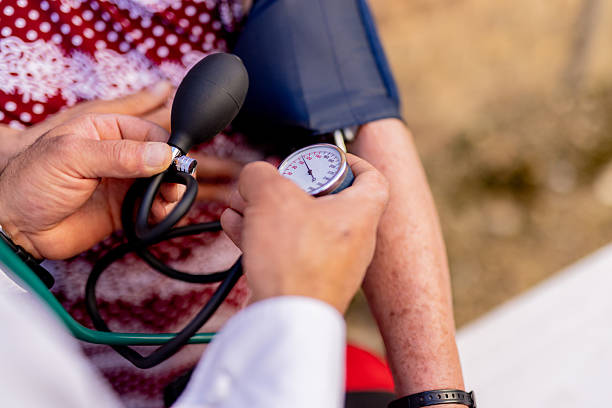
High blood pressure, also known as hypertension, is one of the most common health problems affecting adults in Nigeria. It can develop gradually and remain unnoticed for years because many people with high blood pressure feel completely normal.

That is why hypertension is often described as a silent condition. A person may continue working, exercising, eating normally, and feeling healthy while elevated blood pressure is gradually placing strain on the heart, blood vessels, kidneys, brain, and other organs.
The good news is that high blood pressure can often be detected with a simple blood pressure check, and many of its risk factors can be managed.
Understanding what causes high blood pressure in Nigeria is particularly important because everyday factors-including diet, increasing urbanization, stress, limited physical activity, excess body weight, alcohol use, smoking, and untreated medical conditions-can contribute to cardiovascular risk.
This guide explains the common causes and risk factors of hypertension, possible warning signs, when to see a doctor, how high blood pressure is diagnosed, and practical steps that can support healthier blood pressure.
Important: This article is for general health education and does not replace medical advice. High blood pressure usually cannot be diagnosed based on symptoms alone. Accurate blood pressure measurement and professional medical assessment are important.
What Is High Blood Pressure?
Blood pressure is the force of blood pushing against the walls of the arteries as the heart pumps.
It is usually recorded using two numbers.
For example:
120/80 mmHg
The first number represents systolic blood pressure, which reflects pressure when the heart contracts. The second number represents diastolic blood pressure, which reflects pressure when the heart relaxes between beats.
Blood pressure naturally changes during the day. Exercise, stress, sleep, caffeine, illness, and other factors can temporarily affect a reading.
For this reason, a single measurement may not always provide the full picture. A healthcare professional may recommend repeated measurements or home monitoring depending on the situation.
What Causes High Blood Pressure?
For many people, there is no single identifiable cause.
This is often referred to as primary hypertension. It can develop over time due to a combination of genetic, environmental, lifestyle, and age-related factors.
In other cases, high blood pressure can be associated with another medical condition or certain medicines. This is known as secondary hypertension.
The most useful question is often not, “What is the one cause?” but rather:
“Which risk factors may be contributing to my blood pressure?”
Common Risk Factors for High Blood Pressure in Nigeria
1. Eating Too Much Salt
High sodium intake can contribute to elevated blood pressure in some people.
Salt is not found only in the salt shaker. It can also be present in:
- Processed foods
- Instant noodles
- Seasoning cubes and powders
- Canned foods
- Processed meats
- Fast foods
- Salted snacks
- Restaurant meals
One practical challenge is that people may believe they are eating a healthy home-cooked diet while regularly consuming foods with significant amounts of added sodium.
A practical strategy
Instead of relying heavily on seasoning products, experiment with:
- Onions
- Garlic
- Ginger
- Pepper
- Herbs
- Natural spices
- Fresh ingredients
Reducing salt does not mean food has to become tasteless. Gradually changing the amount used can help the palate adjust.
2. Excess Body Weight
Carrying excess body weight can increase the workload on the heart and blood vessels.
Weight management should focus on overall health rather than extreme dieting.
For many people, sustainable changes are more realistic than drastic restrictions. Examples include:
- Reducing frequent consumption of highly processed foods
- Choosing appropriate portion sizes
- Increasing regular movement
- Eating more vegetables and fibre-rich foods
- Limiting sugary drinks
If weight is a concern, a healthcare professional can provide individualized guidance.
3. Physical Inactivity
Modern work patterns can involve long periods of sitting.
People may spend hours:
- At desks
- In traffic
- Using computers
- Watching television
- Using phones
Regular physical activity supports cardiovascular health.
This does not necessarily mean joining an expensive gym.
Depending on a person’s health and physical ability, practical activities may include:
- Walking
- Cycling
- Dancing
- Swimming
- Recreational sports
- Active household activities
If you already have a medical condition, ask a healthcare professional what type and level of activity is appropriate.
4. Family History and Genetics
High blood pressure can run in families.
Having a parent or close relative with hypertension does not mean that you will definitely develop it. However, it may increase your likelihood.
Family history is useful information because it can encourage earlier and more regular blood pressure checks.
A person with a strong family history should not wait until symptoms develop before checking their blood pressure.
5. Increasing Age
Blood vessels can change over time, and the likelihood of high blood pressure generally increases with age.
However, hypertension is not limited to older adults.
Younger adults can also develop high blood pressure, particularly when other risk factors are present.
6. Stress and Daily Pressure
Stress can temporarily affect blood pressure, and long-term stress may contribute indirectly to unhealthy habits such as:
- Poor sleep
- Excessive alcohol consumption
- Smoking
- Physical inactivity
- Unhealthy eating
Financial pressure, demanding work schedules, traffic, family responsibilities, and inadequate rest can all affect wellbeing.
Stress management is not about pretending that difficult situations do not exist. It is about developing practical ways to respond.
Examples may include:
- Creating regular sleep routines
- Taking breaks from work
- Physical activity
- Spending time with supportive people
- Relaxation techniques
- Seeking professional support when needed
7. Alcohol Consumption
Regular or excessive alcohol consumption can contribute to high blood pressure.
Reducing alcohol intake may be an important part of blood pressure management for people who drink.
If someone finds it difficult to reduce alcohol consumption, discussing the issue with a qualified healthcare professional can be helpful.
8. Smoking and Tobacco Use
Tobacco use can damage blood vessels and increase cardiovascular risk.
Stopping smoking can benefit health at any age.
Because quitting can be difficult, people may benefit from structured medical support and evidence-based cessation programs.
9. Diabetes and Other Health Conditions
High blood pressure often occurs alongside other health conditions.
These may include:
- Diabetes
- Kidney disease
- Sleep-related breathing disorders
- Hormonal conditions
This is one reason a doctor may recommend additional tests after diagnosing hypertension.
Managing blood pressure involves looking at the entire health picture, not simply one number.
10. Kidney Problems
The kidneys play an important role in regulating fluid balance and blood pressure.
Some kidney conditions can contribute to high blood pressure, while uncontrolled high blood pressure can also damage the kidneys over time.
This creates a potentially harmful cycle.
People with hypertension may need periodic medical monitoring based on their individual health situation.
11. Certain Medications and Substances
Some medicines and substances may affect blood pressure.
Examples can include certain:
- Pain medications
- Hormonal medicines
- Decongestants
- Steroids
Do not stop prescribed medication suddenly because of concerns about blood pressure.
Instead, discuss your medication list with a doctor or pharmacist.
Common Causes and Risk Factors at a Glance
| Risk Factor | How It May Contribute | Practical Action |
|---|---|---|
| High salt intake | Can raise blood pressure in some people | Reduce heavily salted and processed foods |
| Excess body weight | Can increase strain on the cardiovascular system | Focus on sustainable lifestyle changes |
| Physical inactivity | May increase cardiovascular risk | Add regular movement to daily routines |
| Family history | May increase individual risk | Check blood pressure regularly |
| Increasing age | Blood vessels can become less flexible over time | Maintain routine health checks |
| Alcohol | Heavy or regular use can raise blood pressure | Reduce intake and seek support if needed |
| Smoking | Damages blood vessels and increases cardiovascular risk | Seek support to quit |
| Diabetes | Often occurs alongside cardiovascular risk | Maintain regular medical care |
| Kidney disease | Can contribute to elevated blood pressure | Follow medical monitoring recommendations |
| Some medications | May affect blood pressure | Review medicines with a healthcare professional |
What Are the Warning Signs of High Blood Pressure?
One of the biggest challenges with hypertension is that many people have no symptoms.
That means symptoms are not a reliable way to determine whether someone has high blood pressure.
When symptoms such as headaches, dizziness, or fatigue occur, they can have many different causes and should not automatically be attributed to hypertension.
Some people with very high blood pressure may experience symptoms or become seriously unwell, but waiting for symptoms before checking blood pressure is not a safe strategy.
The only reliable way to know whether blood pressure is elevated is to have it measured properly.
Possible Symptoms That Should Prompt Medical Attention
While these symptoms do not automatically mean someone has high blood pressure, medical assessment may be appropriate when symptoms are persistent, severe, or unexplained.
These can include:
- Severe or unusual headaches
- Dizziness or fainting
- Changes in vision
- Chest discomfort
- Shortness of breath
- New weakness or difficulty functioning normally
These symptoms can have many causes.
If symptoms are severe, sudden, or rapidly worsening, seek urgent medical care.
Why High Blood Pressure Is Sometimes Missed
In Nigeria and elsewhere, hypertension may go undetected for several reasons.
People Feel Healthy
Many people assume that feeling healthy means their blood pressure is normal.
Unfortunately, hypertension can exist without obvious symptoms.
Limited Routine Health Checks
Some people visit a healthcare facility only when they are already unwell.
Regular blood pressure checks can identify problems earlier.
Cost Concerns
People may delay testing because they are concerned about the cost of healthcare.
However, checking blood pressure is generally simpler and less expensive than managing serious complications.
Self-Medication
Some people may rely on supplements, herbal mixtures, or advice from friends instead of receiving proper evaluation.
Natural does not automatically mean safe or effective.
Certain products may interact with prescribed medicines or affect blood pressure.
How Is High Blood Pressure Diagnosed?
A diagnosis should be based on proper blood pressure measurement.
A healthcare professional may recommend:
- Repeated blood pressure measurements
- Home blood pressure monitoring
- Assessment of medical history
- Physical examination
- Blood or urine tests when appropriate
The goal is not only to confirm whether blood pressure is elevated.
A doctor may also assess possible contributing factors and determine whether high blood pressure has affected other organs.
A Practical Example: Why One Reading May Not Tell the Whole Story
Imagine a 48-year-old office worker who checks his blood pressure after rushing through traffic and climbing several flights of stairs.
The reading is higher than expected.
He immediately assumes that he has permanent hypertension.
But blood pressure can temporarily rise because of physical activity, stress, or other factors.
Now imagine the opposite situation.
Another person gets one normal reading at a community health event and assumes that there is no reason to check again for years.
Neither conclusion may provide the full picture.
This is why proper measurement and appropriate follow-up matter.
A healthcare professional can advise whether repeat readings or home monitoring are necessary.
What Happens If High Blood Pressure Is Left Uncontrolled?
Over time, uncontrolled hypertension can increase the risk of serious health problems involving the:
- Heart
- Brain
- Kidneys
- Eyes
- Blood vessels
However, the risk for an individual depends on many factors, including how high the blood pressure is, how long it has been elevated, other health conditions, smoking status, and overall cardiovascular risk.
The purpose of blood pressure management is not simply to achieve a number on a machine.
It is to reduce the long-term strain that elevated pressure can place on the body.
How Can You Help Manage or Reduce High Blood Pressure Risk?
Reduce Excess Salt
Look beyond the salt shaker.
Check how often you consume:
- Instant foods
- Highly processed snacks
- Fast food
- Seasoning-heavy meals
Small, consistent changes may be easier to maintain than sudden extreme restrictions.
Eat a Balanced Diet
A healthy eating pattern generally includes a variety of:
- Vegetables
- Fruits
- Beans and other legumes
- Whole grains where available
- Protein sources appropriate for individual dietary needs
The goal is not perfection.
Improving everyday food choices over time can be more sustainable.
Stay Physically Active
Choose activities that you can realistically continue.
A person who enjoys walking with friends may be more likely to remain active than someone who forces themselves into an exercise routine they dislike.
Consistency matters.
Take Prescribed Medication as Directed
If a doctor prescribes blood pressure medication, do not stop it simply because your blood pressure improves.
An improved reading may be a sign that the treatment plan is working.
If you experience side effects or have concerns about cost, discuss them with your healthcare professional. There may be alternative options.
Monitor Your Blood Pressure
Regular monitoring can help you understand trends.
If you use a home blood pressure monitor, make sure you understand how to use it correctly and discuss the readings with a qualified healthcare professional.
When Should You See a Doctor About High Blood Pressure?
Consider arranging a medical consultation if:
- You repeatedly receive elevated blood pressure readings
- You have a strong family history of hypertension
- You have diabetes or kidney problems
- You are experiencing persistent unexplained symptoms
- You have been prescribed blood pressure medication but have concerns or side effects
- Your blood pressure remains elevated despite treatment
Early evaluation can help identify contributing factors and guide appropriate management.
When Is High Blood Pressure an Emergency?
Seek urgent medical care if a very high blood pressure reading occurs alongside serious symptoms such as:
- Chest pain
- Severe shortness of breath
- Sudden weakness
- Difficulty speaking
- Major changes in vision
- Confusion or other sudden neurological changes
Do not attempt to manage severe symptoms solely with home remedies.
Urgent assessment is important because serious symptoms may indicate a medical emergency.
Practical Blood Pressure Habits for Everyday Life in Nigeria
Managing hypertension does not always require expensive or complicated changes.
Here are practical strategies that may be easier to apply:
Plan Meals Before You Become Extremely Hungry
When people are very hungry and rushed, fast food and heavily processed options may become more appealing.
Simple meal planning can make healthier choices easier.
Move During Long Periods of Sitting
If your work involves sitting, take appropriate movement breaks during the day.
Check Family Health History
Ask close relatives whether high blood pressure, diabetes, kidney disease, or cardiovascular conditions run in the family.
This information can be useful during medical appointments.
Keep a Record
If you regularly check your blood pressure, record:
- The date
- The time
- The reading
- Relevant circumstances, such as recent exercise
This can help a healthcare professional understand patterns.
Frequently Asked Questions
1. What is the main cause of high blood pressure in Nigeria?
There is often no single cause. High blood pressure commonly develops from a combination of age, family history, diet, excess body weight, inactivity, alcohol use, smoking, and other health conditions.
2. Can stress cause high blood pressure?
Stress can temporarily raise blood pressure and may contribute indirectly to long-term risk through poor sleep, unhealthy eating, inactivity, smoking, or alcohol use. Persistent stress should be taken seriously as part of overall health management.
3. What are the first warning signs of high blood pressure?
Many people have no warning signs. High blood pressure cannot be reliably diagnosed based on symptoms. Regular blood pressure measurement is the best way to detect it.
4. Can young people have high blood pressure?
Yes. Although risk generally increases with age, younger adults can also develop hypertension.
5. Can drinking too much salt cause high blood pressure?
High sodium intake can contribute to elevated blood pressure, particularly in people who are sensitive to salt. Reducing heavily salted and processed foods may be part of a broader blood pressure management plan.
6. Can high blood pressure be cured permanently?
The answer depends on the underlying cause. Some cases related to another medical condition may improve when that cause is treated. Primary hypertension often requires long-term management through lifestyle measures, medication when prescribed, and regular monitoring.
7. Should I take blood pressure medicine only when I feel symptoms?
No. Hypertension often causes no symptoms. Blood pressure medication should be taken exactly as prescribed, and changes should be discussed with the prescribing healthcare professional.
Summary
High blood pressure is a serious health concern because it can develop quietly.
Many people in Nigeria may have hypertension without knowing it, particularly when they wait for symptoms before checking their blood pressure.
Common risk factors include high salt intake, excess body weight, physical inactivity, family history, increasing age, alcohol consumption, smoking, diabetes, kidney disease, and certain medications.
The most important lesson is that feeling healthy does not guarantee that your blood pressure is normal.
A simple blood pressure check can provide valuable information, while persistent high readings should be discussed with a qualified healthcare professional.
Managing blood pressure is usually a long-term process rather than a one-time solution. Small and sustainable changes-combined with appropriate medical care and prescribed treatment when necessary-can make a meaningful difference.
Instead of waiting for warning signs, make regular blood pressure checks part of your approach to long-term health.