
Kidney failure is a serious medical condition in which the kidneys are unable to perform their essential functions adequately. The kidneys help remove waste products and excess fluid from the body, maintain a healthy balance of certain minerals, contribute to blood pressure regulation, and support other important processes.
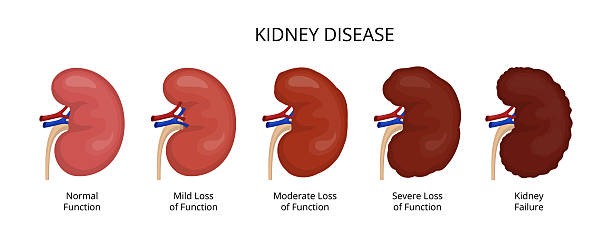
One of the challenges with kidney disease is that it may develop gradually. Some people experience few or no obvious symptoms during earlier stages, while others may notice changes that become more concerning over time.
For people in Nigeria, understanding possible kidney failure symptoms, recognizing important warning signs, and knowing when to seek medical care can encourage earlier evaluation.
However, one important point must be clear from the beginning:
Symptoms alone cannot diagnose kidney failure. Many symptoms associated with kidney problems can also occur with infections, dehydration, heart conditions, medication effects, and other illnesses. Proper assessment usually requires a healthcare professional and appropriate blood and urine tests.
This guide explains common symptoms that may occur when kidney function becomes severely impaired, when to seek medical attention, who may be at greater risk, and how kidney problems are evaluated.
What Is Kidney Failure?
Kidney failure occurs when the kidneys lose a significant amount of their ability to filter waste products and manage fluid and electrolyte balance.
There are two broad situations in which severe kidney dysfunction may occur:
Acute Kidney Injury
Acute kidney injury refers to a sudden reduction in kidney function that can develop over a relatively short period.
Possible contributing factors can include:
- Severe dehydration
- Serious infections
- Certain medications
- Urinary blockage
- Reduced blood flow to the kidneys
- Other serious illnesses
Acute kidney injury requires medical assessment because prompt treatment of the underlying cause may help prevent further damage.
Chronic Kidney Disease and Kidney Failure
Chronic kidney disease develops over time. In advanced cases, kidney function may become severely reduced.
Common causes of chronic kidney damage can include:
- Long-term high blood pressure
- Diabetes
- Certain inflammatory kidney conditions
- Inherited kidney disorders
- Repeated kidney injury
- Other medical conditions
Not everyone with chronic kidney disease will experience kidney failure, especially when underlying causes are identified and appropriately managed.
Common Kidney Failure Symptoms
Symptoms can vary from person to person. They may also develop gradually or, in some situations, appear more suddenly.
1. Significant Changes in Urination
Changes in urination can be an important reason to seek medical evaluation.
Possible changes include:
- Producing much less urine than usual
- Difficulty passing urine
- Urinating more frequently than usual
- Needing to urinate frequently at night
- Changes in urine appearance
- Persistent foamy urine
- Blood in the urine
A change in urination does not automatically mean kidney failure. Urinary tract infections, prostate problems, diabetes, dehydration, and other conditions can cause similar symptoms.
Persistent or sudden significant changes should be assessed by a healthcare professional.
2. Swelling in the Legs, Feet, Hands, or Face
The kidneys help regulate fluid balance.
When kidney function is severely impaired, excess fluid may contribute to swelling, particularly in the:
- Feet
- Ankles
- Legs
- Hands
- Face
- Area around the eyes
Swelling can also occur with heart, liver, circulation, and medication-related problems.
Persistent or rapidly worsening swelling should not be ignored.
3. Persistent Fatigue and Weakness
People with significant kidney dysfunction may experience persistent tiredness.
Several factors can contribute, including:
- Anemia
- Metabolic changes
- Poor appetite
- Sleep problems
- Chronic illness
However, fatigue is a common symptom with many possible causes. Persistent tiredness becomes more concerning when it occurs alongside swelling, urinary changes, loss of appetite, or other symptoms.
4. Shortness of Breath
Fluid balance problems and other complications associated with serious illness can contribute to breathing difficulties.
Shortness of breath can have many causes, including heart and lung conditions.
New, severe, or worsening breathing difficulty requires prompt medical attention.
5. Loss of Appetite and Persistent Nausea
As kidney function becomes significantly impaired, changes in the body’s ability to manage waste products and metabolism can affect appetite and contribute to nausea.
Possible symptoms include:
- Reduced appetite
- Persistent nausea
- Feeling unusually full
- Changes in taste
These symptoms are not specific to kidney disease and can occur with many digestive and medical conditions.
If they persist, especially alongside other warning signs, medical evaluation is important.
6. Persistent Itching
Some people with advanced kidney disease experience persistent itching.
However, skin conditions, allergies, liver disease, medications, and other health problems can also cause itching.
Persistent itching accompanied by other symptoms should be discussed with a healthcare professional.
7. Difficulty Concentrating or Feeling Confused
Severe illness can affect concentration and mental clarity.
Possible concerns may include:
- Difficulty concentrating
- Feeling unusually confused
- Marked drowsiness
- Changes in alertness
These symptoms can have many serious causes and should not be self-diagnosed as kidney failure.
A sudden or significant change in mental status requires urgent medical assessment.
8. Muscle Cramps or Unusual Weakness
The kidneys play a role in maintaining fluid and mineral balance.
Significant kidney dysfunction may contribute to changes that affect muscles and nerves.
Possible symptoms include:
- Frequent cramps
- Muscle weakness
- Unusual fatigue
Dehydration, medication effects, nutritional problems, and physical exertion can also cause these symptoms.
9. Difficult-to-Control High Blood Pressure
High blood pressure and kidney disease can affect one another.
Long-term high blood pressure can damage blood vessels in the kidneys. Reduced kidney function may also contribute to blood pressure that is difficult to control.
Regular monitoring is particularly important for people who have:
- Hypertension
- Diabetes
- Previous kidney problems
- A family history of kidney disease
10. Persistent Puffiness Around the Eyes
Puffiness around the eyes can have several causes, including allergies and sleep-related factors.
However, when it is persistent and occurs alongside swelling in the legs or changes in urine, a medical assessment may be appropriate.
Kidney Failure Symptoms vs Other Possible Causes
Many symptoms linked to kidney failure are not unique to kidney disease.
| Symptom | Kidney-Related Possibility | Other Possible Causes |
|---|---|---|
| Swollen feet or ankles | Fluid retention | Heart, liver, circulation problems |
| Reduced urination | Significant kidney dysfunction or obstruction | Dehydration, urinary blockage |
| Fatigue | Anemia or metabolic changes | Sleep problems, infections, other illnesses |
| Nausea | Metabolic changes in severe illness | Digestive conditions, medication effects |
| Shortness of breath | Fluid-related complications or anemia | Heart or lung disease |
| Foamy urine | Possible protein in urine | Forceful urination or other non-kidney factors |
| Blood in urine | Kidney or urinary tract condition | Infection, stones, prostate or bladder conditions |
| Confusion | Severe metabolic disturbance or another serious illness | Infection, low blood sugar, neurological conditions |
The main takeaway is simple: persistent or severe symptoms should lead to appropriate medical evaluation rather than self-diagnosis.
When Should You See a Doctor?
You should arrange a medical evaluation if you notice persistent symptoms such as:
- Swelling that does not improve
- Repeated changes in urination
- Blood in the urine
- Persistent foamy urine
- Ongoing unexplained fatigue
- Repeated nausea or loss of appetite
- High blood pressure that remains uncontrolled
- A combination of several possible kidney-related symptoms
People with diabetes or high blood pressure should also discuss regular kidney monitoring with their healthcare professional.
When Should You Seek Urgent Medical Care?
Urgent medical assessment is important if someone experiences:
- Severe or rapidly worsening difficulty breathing
- Inability to pass urine
- Sudden severe confusion or a major change in alertness
- Rapidly worsening swelling together with feeling seriously unwell
- Severe illness with signs of dehydration or reduced urine output
These symptoms can have different serious causes and require professional evaluation.
Who Is at Higher Risk of Kidney Failure?
Certain people may have a higher risk of kidney disease and should pay particular attention to kidney health monitoring.
People Living With High Blood Pressure
Long-term uncontrolled hypertension can damage the kidneys.
Because high blood pressure may not always cause obvious symptoms, regular monitoring is important.
People Living With Diabetes
Persistently elevated blood glucose can damage small blood vessels, including those involved in kidney function.
Routine medical follow-up can help identify complications earlier.
People With a Family History of Kidney Disease
A family history does not mean kidney disease is inevitable. However, it may be a reason to discuss appropriate screening with a healthcare professional.
People With Previous Kidney Problems
A previous episode of kidney injury or certain kidney conditions may require ongoing follow-up depending on the underlying cause.
People Taking Certain Medications
Some medications may affect kidney function, especially when taken incorrectly or without appropriate supervision.
Always tell your healthcare provider about:
- Prescription medications
- Over-the-counter medicines
- Supplements
- Herbal preparations
- Traditional remedies
Do not stop a prescribed medication without discussing it with a qualified healthcare professional.
Common Risk Factors and What You Can Do
| Risk Factor | Why It May Matter | Practical Action |
|---|---|---|
| High blood pressure | Can gradually damage kidney blood vessels | Monitor regularly and follow treatment advice |
| Diabetes | Can damage the kidney’s filtering system | Attend recommended medical checkups |
| Previous kidney injury | May affect future kidney health | Follow recommended monitoring plans |
| Family history | May increase the importance of screening | Discuss kidney testing with a healthcare professional |
| Unsupervised medication use | Some medicines can affect kidney function | Follow dosing instructions and seek professional advice |
| Unregulated remedies | Ingredients and safety may be uncertain | Tell your healthcare provider about all products used |
| Serious dehydration or illness | Can sometimes affect kidney function | Seek medical care when significantly unwell |
How Doctors Check for Kidney Failure
Kidney failure cannot be diagnosed by looking at symptoms alone.
Healthcare professionals may use several assessments.
Blood Tests
Blood tests can measure substances that help healthcare professionals assess kidney function.
One commonly used calculation estimates how effectively the kidneys are filtering blood.
Your healthcare provider can interpret the results based on your age, medical history, and overall health.
Urine Tests
Urine testing may help identify:
- Protein or albumin
- Blood
- Signs of infection
- Other abnormalities
Urine findings can provide important clues about possible kidney damage.
Blood Pressure Measurement
Because blood pressure and kidney function are closely connected, blood pressure monitoring is often part of kidney assessment.
Imaging and Additional Investigations
Depending on the suspected cause, a doctor may recommend imaging or other tests to examine the kidneys and urinary tract.
A Real-Life Scenario: Why Early Evaluation Matters
Consider a hypothetical example.
A middle-aged market trader notices that her feet are becoming swollen in the evenings. She initially assumes that standing for long hours is the only cause.
A few weeks later, she notices persistent tiredness and changes in her urination.
Instead of continuing to guess, she visits a healthcare facility where her blood pressure, urine, and kidney function are assessed.
The key lesson is not that swelling automatically means kidney failure. Standing, circulation problems, heart conditions, medications, and other factors can cause swelling.
The lesson is that multiple persistent symptoms deserve proper investigation.
Early testing may identify a treatable cause or reveal that kidney function needs closer monitoring.
Practical Steps to Protect Kidney Health
Not all kidney disease can be prevented, but managing known risk factors can support kidney and cardiovascular health.
Monitor Your Blood Pressure
High blood pressure may cause few or no obvious symptoms.
Regular checks can help identify a problem early.
If you have been prescribed blood pressure medication, take it according to your healthcare provider’s instructions.
Manage Diabetes Carefully
For people with diabetes, regular monitoring and adherence to an individualized care plan can help reduce the risk of complications.
Discuss kidney screening as part of routine diabetes care.
Avoid Unsupervised Use of Medicines
Do not exceed recommended medication doses.
Before combining different medicines or adding herbal products or supplements, ask a qualified healthcare professional or pharmacist about potential safety concerns.
Do Not Rely on “Kidney Cleanses”
Products advertised as guaranteed kidney cleanses or cures should be approached carefully.
Kidney disease has many possible causes. There is no single drink, herb, or supplement that can replace proper diagnosis and treatment.
Delaying medical evaluation while relying exclusively on unproven remedies may allow an underlying problem to worsen.
Attend Recommended Health Checks
If you have:
- High blood pressure
- Diabetes
- A previous kidney problem
- A family history of kidney disease
ask a healthcare professional whether regular kidney testing is appropriate for you.
What are the five stages of chronic kidney disease?
There are five stages of chronic kidney disease, according to your estimated glomerular filtration rate (eGFR). Your eGFR is a calculation of how well your kidneys work. A normal eGFR is above 60. But even with a normal eGFR, your provider may still diagnose you with CKD according to additional kidney tests. The lowest eGFR is 0, which means your kidney doesn’t function at all.
The five stages of CKD include:
- Stage I: Your eGFR is higher than 90. At this stage, your kidneys function normally. Your provider will only diagnose this stage if there are changes in other kidney tests. If you have no other signs of CKD, an eGFR higher than 90 is normal for you and doesn’t mean you have kidney disease.
- Stage II: Your eGFR may be as low as 60 or as high as 89. Your kidneys still function well. Your provider will only diagnose this stage if there are changes in other kidney tests. If you have no other signs of CKD, an eGFR in this range is normal for you and doesn’t mean you have kidney disease.
- Stage III: Your eGFR may be as low as 30 or as high as 59. You have mild to moderate loss of kidney function.
- Stage IV: Your eGFR may be as low as 15 or as high as 29. You have severe loss of kidney function. You may start developing some symptoms, but not always. If you have symptoms, they’re usually mild.
- Stage V: Your eGFR is below 15. Your kidneys are nearing or at complete failure. Generally, this is when you start to have symptoms.
A Practical “When to Act” Guide
| Situation | Recommended Response |
|---|---|
| Persistent foamy urine or repeated urinary changes | Arrange a medical evaluation |
| Blood in urine | Seek prompt medical assessment |
| Persistent swelling | Arrange medical evaluation |
| Ongoing fatigue with other symptoms | Discuss with a healthcare professional |
| High blood pressure that remains uncontrolled | Seek medical review |
| Severe breathing difficulty | Seek urgent medical care |
| Unable to pass urine | Seek urgent medical care |
| Sudden major confusion or reduced alertness | Seek urgent medical care |
| Multiple kidney-related symptoms occurring together | Arrange prompt medical assessment |
Frequently Asked Questions
1. What are the first signs of kidney failure?
There may be no obvious symptoms in earlier stages of kidney disease. Possible symptoms associated with more significant kidney dysfunction can include changes in urination, swelling, persistent fatigue, nausea, loss of appetite, and difficulty concentrating. These symptoms are not specific, so testing is necessary.
2. Can kidney failure happen suddenly?
Yes. Acute kidney injury can involve a sudden reduction in kidney function and may occur during serious illness, severe dehydration, urinary obstruction, medication-related problems, or other medical conditions. Prompt medical assessment is important.
3. Can kidney failure be detected with a urine test?
A urine test can provide important information, including whether protein or blood is present. Healthcare professionals may also use blood tests and other investigations to assess kidney function and identify possible causes.
4. Does foamy urine mean kidney failure?
No. Foamy urine does not automatically mean kidney failure. Persistent foaming may sometimes be associated with protein in the urine, but other explanations are possible. A urine test can help clarify the cause.
5. Can high blood pressure cause kidney failure?
Long-term uncontrolled high blood pressure can damage the kidneys and increase the risk of chronic kidney disease. Appropriate blood pressure management and regular medical follow-up are important.
6. Can drinking a lot of water reverse kidney failure?
No. Drinking excessive amounts of water does not reverse kidney failure. Fluid needs vary, and some people with kidney or heart conditions may need specific fluid guidance from a healthcare professional.
7. What should I do if I think I have kidney problems?
Avoid trying to diagnose yourself based only on symptoms. Arrange an assessment with a qualified healthcare professional, who may recommend blood tests, urine tests, blood pressure measurement, or other investigations.
Summary
Kidney failure is a serious condition, but possible kidney problems may sometimes be identified before severe complications develop. Changes in urination, persistent swelling, unusual fatigue, loss of appetite, nausea, difficult-to-control blood pressure, and other symptoms may all be reasons to seek medical advice.
At the same time, these symptoms can be caused by many other health conditions. That is why testing and professional evaluation are essential.
If you have persistent symptoms, especially if you also have diabetes, high blood pressure, a previous kidney problem, or a family history of kidney disease, consider discussing kidney health with a qualified healthcare professional.
And if symptoms are severe or rapidly worsening-such as major breathing difficulty, inability to pass urine, or sudden significant confusion-seek urgent medical care.
Taking symptoms seriously does not mean assuming the worst. It means getting the information needed to understand what is happening and taking the appropriate next step.