
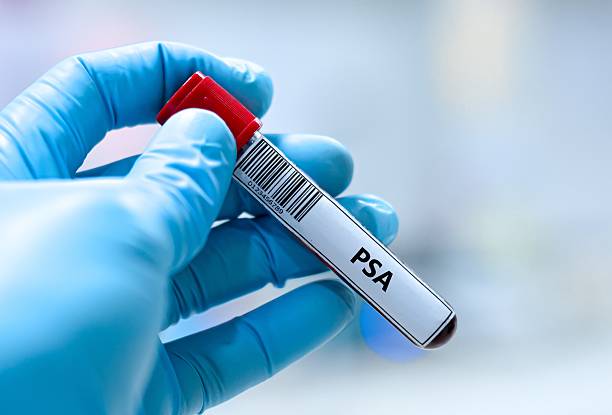
Prostate cancer is an important health concern for men, particularly as they get older. However, one of the most important facts to understand is that early prostate cancer may not cause obvious symptoms.
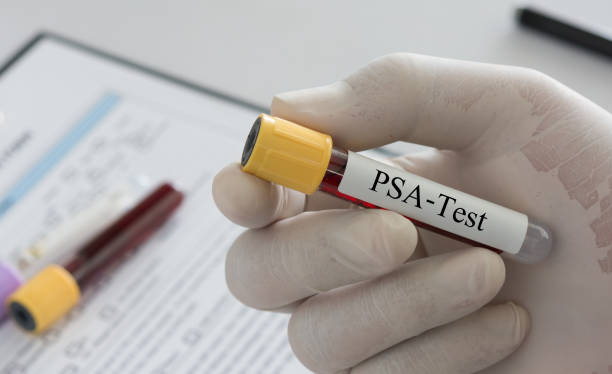
A man may feel completely healthy and still have reasons to discuss his prostate health with a doctor, especially if he has significant risk factors such as increasing age or a close family history of prostate cancer.
In Nigeria, prostate cancer screening may involve a combination of medical consultation, a prostate-specific antigen (PSA) blood test, physical examination where appropriate, and further investigations if an abnormal result or concerning symptoms require additional assessment.
One of the most common questions men ask is: How much does prostate cancer screening cost in Nigeria?
The answer varies significantly depending on the hospital, laboratory, city, type of test, whether a consultation is included, and whether additional investigations are required. Current published prices illustrate this variation: for example, one Nigerian university health service lists PSA at ₦7,000, while published private laboratory prices can be substantially higher. The National Health Insurance Authority’s fee-for-service list also provides reference prices for total PSA, free PSA, and prostate ultrasound.
This guide explains the main screening tests, realistic cost considerations, what happens during screening, the causes and risk factors associated with prostate cancer, available treatment approaches, and when men should see a doctor.
Important: A screening test is not the same as a cancer diagnosis. An abnormal PSA result does not automatically mean a person has prostate cancer, and a normal result does not answer every possible prostate-health question. Test results should be interpreted by a qualified healthcare professional.
What Is Prostate Cancer?
The prostate is a gland that forms part of the male reproductive system. It is located below the bladder and surrounds part of the urethra.
Prostate cancer occurs when abnormal cells develop within the prostate and grow in an uncontrolled way.
Different prostate cancers can behave differently. Some may grow slowly and require monitoring, while others may need active treatment.
Because early prostate cancer may have no noticeable symptoms, discussions about screening are often based on a person’s:
- Age
- Family history
- Personal medical history
- Symptoms
- Overall health
- Individual risk factors
There is no single test that can independently provide all the answers.
Why Prostate Cancer Screening Matters
The purpose of screening is to identify possible signs of disease before obvious symptoms develop.
However, screening also has limitations.
For example, a PSA blood test can be elevated for reasons other than prostate cancer, including:
- Benign enlargement of the prostate
- Prostate inflammation
- Other prostate-related conditions
This means an elevated PSA result may lead to further testing even when cancer is not present.
For this reason, prostate screening is best viewed as a medical decision-making process, not simply as purchasing a laboratory test and interpreting the number alone.
Who Should Consider Discussing Prostate Cancer Screening?
The best time to discuss screening depends on individual circumstances.
A healthcare professional may consider factors such as:
Increasing Age
The risk of prostate cancer generally increases with age.
Age alone does not determine whether a particular person needs testing, but it is an important part of risk assessment.
Family History
Men with a close family history of prostate cancer should tell their doctor.
Family history may influence discussions about:
- Individual risk
- When to begin screening conversations
- Whether additional assessment may be appropriate
Persistent Urinary Symptoms
Symptoms such as frequent urination or a weak urine stream do not automatically indicate prostate cancer.
However, persistent symptoms deserve medical evaluation because they may be caused by:
- Benign prostatic hyperplasia
- Prostatitis
- Urinary tract conditions
- Bladder problems
- Diabetes
- Other medical conditions
Personal Medical History
A person’s existing health conditions, previous prostate tests, medications, and general health can all affect screening decisions.
What Tests Are Used for Prostate Cancer Screening in Nigeria?
1. PSA Blood Test
The prostate-specific antigen (PSA) test is one of the most commonly used prostate screening tests.
It involves taking a blood sample and measuring the amount of PSA in the blood.
PSA is produced by prostate tissue.
A higher-than-expected PSA level can be associated with prostate cancer, but it can also occur with non-cancerous conditions.
This is one of the most important points men should understand:
A high PSA result is not the same as a cancer diagnosis.
A healthcare professional may consider factors such as the PSA level, changes over time, age, symptoms, prostate health, and other relevant information before recommending the next step.
2. Free PSA Testing
In some situations, a doctor may recommend additional PSA-related testing.
The National Health Insurance Authority fee-for-service list includes separate reference prices for total PSA and free PSA testing.
Free PSA is not automatically required for every person. Its usefulness depends on the clinical situation.
3. Digital Rectal Examination
A healthcare professional may recommend a physical examination of the prostate as part of an assessment.
The purpose is to gather additional clinical information.
This examination alone cannot confirm or rule out prostate cancer, but it may contribute to the overall evaluation.
4. Imaging Tests
If initial findings require further investigation, imaging may be recommended.
The type of imaging depends on the clinical situation and available medical services.
The NHIA fee-for-service list includes a prostate scan among listed imaging services, although the actual price a patient pays can differ depending on the provider and payment arrangement.
5. Biopsy
If further evaluation raises significant concern, a specialist may recommend a biopsy.
A biopsy involves obtaining tissue that can be examined to determine whether cancer cells are present.
A biopsy is not a routine first step for every person who takes a PSA test.
The decision depends on the overall clinical assessment.
Prostate Cancer Screening Tests at a Glance
| Test or Assessment | What It Involves | What It Can Help With | Important Limitation |
|---|---|---|---|
| PSA blood test | Blood sample | Identifying PSA levels that may require further evaluation | A raised PSA does not automatically mean cancer |
| Free PSA | Additional blood measurement | May provide additional information in selected cases | Not required for every man |
| Medical consultation | Discussion of symptoms and risk factors | Helps determine appropriate next steps | Does not replace laboratory or diagnostic testing when needed |
| Physical examination | Clinical assessment by a healthcare professional | Provides additional information about prostate health | Cannot independently diagnose cancer |
| Imaging | May involve ultrasound or other imaging | Evaluates the prostate and surrounding structures | Imaging findings may require further interpretation |
| Biopsy | Tissue sample examined in a laboratory | Can help confirm whether cancer cells are present | Usually considered after appropriate medical evaluation |
How Much Does Prostate Cancer Screening Cost in Nigeria?
There is no single nationwide price.
The cost can vary depending on whether you use:
- A government facility
- A teaching hospital
- A university health service
- A private hospital
- A private diagnostic laboratory
- Health insurance or an HMO arrangement
Published prices from Nigerian providers demonstrate the wide variation.
For example, the Olabisi Onabanjo University Directorate of Health Services lists PSA at ₦7,000. The National Health Insurance Authority fee-for-service price list shows a reference price of ₦9,250 for total PSA, ₦5,550 for free PSA, and ₦3,950 for a prostate scan. A private provider, SYNLAB Nigeria, lists PSA at ₦43,200, while other providers publish different prices. These figures can change, so patients should confirm directly with the laboratory or hospital before booking.
Estimated Cost Considerations
| Service | Example Published Price | What to Know |
|---|---|---|
| PSA test at OOU Health Services | ₦7,000 | Institutional price; availability and eligibility may vary |
| Total PSA reference price | ₦9,250 | Listed on the NHIA fee-for-service price schedule |
| Free PSA reference price | ₦5,550 | May be used in selected clinical situations |
| Prostate ultrasound reference price | ₦3,950 | Provider prices may differ from the reference schedule |
| PSA at a private diagnostic provider | ₦43,200 | Premium/private laboratory pricing can be significantly higher |
| PSA at another published provider | ₦6,000–₦14,300 | Published listings can vary by service and booking arrangement |
The practical lesson is simple: ask for the total cost before proceeding.
The final bill may include more than the PSA test itself.
You may also need to consider:
- Consultation fees
- Additional laboratory tests
- Imaging
- Specialist consultation
- Follow-up appointments
- Further investigations if the result is abnormal
Why PSA Prices Vary So Much in Nigeria
The difference between a lower-cost institutional laboratory and a premium private diagnostic provider can be substantial.
Possible reasons include:
Location
Laboratory operating costs can differ between cities and neighbourhoods.
Type of Facility
Government-supported, university, teaching, and private facilities may use different pricing structures.
Test Method and Laboratory Services
Laboratories may differ in:
- Equipment
- Quality-control systems
- Sample collection arrangements
- Turnaround times
- Digital result access
Additional Services
A laboratory package may include services beyond the basic blood test.
For example, some providers offer home sample collection or online result access.
Therefore, comparing prices without checking what is included can be misleading.
What Should You Expect During a Prostate Screening Appointment?
For many men, the idea of prostate screening can create anxiety because they do not know what will happen.
The process is usually straightforward.
Step 1: Medical History
A healthcare professional may ask about:
- Your age
- Family history
- Urinary symptoms
- Previous PSA results
- Current medications
- Other health conditions
Be honest and provide as much relevant information as possible.
Step 2: Discussion of Your Risk
Your doctor may explain whether screening is appropriate based on your individual circumstances.
This is an important step because not every person benefits from exactly the same testing strategy.
Step 3: Blood Sample for PSA
If a PSA test is recommended, a healthcare professional or trained laboratory worker collects a blood sample.
According to one Nigerian provider’s published test information, no specific preparation is generally required for its PSA test, although patients should always follow the instructions provided by the specific laboratory or clinician.
Step 4: Possible Physical Examination
Depending on your symptoms and risk factors, a healthcare professional may recommend an examination.
Not every consultation follows exactly the same process.
Step 5: Review of Results
The result should be interpreted in context.
Avoid assuming:
- “High PSA means I definitely have cancer.”
- “Normal PSA means I can ignore every urinary symptom.”
The correct next step depends on the full medical picture.
What Causes Prostate Cancer?
There is no single proven cause of prostate cancer.
Instead, several factors may influence risk.
Age
The risk generally increases as men get older.
Family History
A close relative with prostate cancer may increase a man’s risk.
Genetics
Certain inherited genetic factors may contribute to increased risk in some families.
Other Factors Under Study
Researchers continue to investigate how lifestyle, diet, body weight, metabolic health, and environmental factors may influence prostate cancer risk.
However, no single food, supplement, or lifestyle habit can guarantee that prostate cancer will be prevented.
Common Warning Signs That Should Not Be Ignored
Early prostate cancer may cause no symptoms.
When symptoms occur, they may include:
- Difficulty starting urination
- A weak or interrupted urine stream
- Frequent urination
- Repeated nighttime urination
- A feeling that the bladder does not completely empty
- Blood in urine
- Persistent urinary changes
These symptoms are not specific to prostate cancer.
Benign prostate enlargement, prostatitis, urinary infections, diabetes, and bladder problems can produce similar symptoms.
The key message is not to panic—but not to ignore persistent changes either.
A Practical Example
Imagine a hypothetical 58-year-old businessman who starts waking up three times every night to urinate.
At first, he assumes it is simply because he drinks water before bed.
Several months later, he notices that his urine stream is weaker.
Instead of buying an unverified “prostate cure,” he books a consultation.
The doctor reviews his symptoms, family history, medications, and overall health before recommending appropriate tests.
The important insight is that testing should follow a clinical question whenever possible.
A PSA result is more useful when interpreted alongside symptoms, medical history, and other relevant findings.
What Happens If a PSA Result Is Abnormal?
An abnormal PSA result does not automatically mean cancer.
A doctor may consider:
- Repeating or reviewing the test
- Assessing possible non-cancer causes
- Performing additional PSA-related testing
- Recommending imaging
- Referring you to a urologist
- Considering further investigations
The next step depends on the individual situation.
Avoid self-interpreting the result based solely on a single number found online.
Treatment Options for Prostate Cancer
If prostate cancer is diagnosed, treatment depends on several factors, including:
- The characteristics of the cancer
- How far it has developed
- The person’s age and overall health
- Other medical conditions
- Personal preferences
Possible management approaches may include:
Active Surveillance
For some cancers that appear lower risk, a specialist may recommend close monitoring rather than immediate treatment.
This approach involves structured follow-up and should not be confused with simply ignoring the condition.
Surgery
Surgery may be considered in appropriate cases.
The decision depends on the characteristics of the cancer and the individual’s overall medical situation.
Radiation Therapy
Radiation treatment may be used in certain situations to treat prostate cancer.
A cancer specialist can explain when it may be appropriate.
Hormone-Based Treatment
Some prostate cancers can be affected by reducing or blocking the influence of certain hormones.
Hormone-based treatment may be used depending on the type and stage of the disease.
Other Treatments
Additional treatment options may be considered depending on the individual diagnosis.
Treatment should be planned with qualified specialists who can explain the expected benefits, possible side effects, and alternatives.
When Should You See a Doctor?
Arrange a medical consultation if you experience persistent or worsening:
- Difficulty starting urination
- A weak or interrupted urine stream
- Frequent urination
- Repeated nighttime urination
- A persistent feeling of incomplete bladder emptying
- Blood in urine
- Persistent pelvic or urinary discomfort
- Other unexplained changes in your urinary habits
You should also consider discussing prostate health if you have a strong family history of prostate cancer, even if you feel well.
When Is Urgent Medical Care Necessary?
Seek prompt medical assessment if you:
- Cannot pass urine
- Become seriously unwell with severe urinary symptoms
- Experience rapidly worsening symptoms
- Notice significant bleeding or other severe symptoms
These situations can have several causes and require professional evaluation.
Practical Tips Before Booking a Prostate Screening Test
1. Ask What the Price Includes
Before paying, ask:
- Is the doctor’s consultation included?
- Is the PSA test total PSA, free PSA, or both?
- Are there additional laboratory charges?
- How much will follow-up cost if the result is abnormal?
2. Ask About Result Turnaround Time
This can vary between providers.
3. Do Not Choose a Test Based on Price Alone
A very low price does not automatically make a service poor, and a high price does not automatically mean it is necessary for everyone.
Consider:
- The facility
- Laboratory standards
- Whether a doctor will interpret the result
- Convenience
- Your medical needs
4. Keep Your Previous Results
If you have had PSA testing before, keep a record of the dates and results.
Changes over time may be clinically useful when interpreted by a healthcare professional.
5. Avoid Unverified “Prostate Cures”
Be cautious about products claiming to:
- Cure prostate cancer
- Guarantee prevention
- Replace medical testing
- Produce immediate results
Evidence-based medical evaluation is safer than relying on unsupported promises.
Frequently Asked Questions About Prostate Cancer Screening in Nigeria
1. How much does a PSA test cost in Nigeria?
The price varies widely. Published examples range from approximately ₦6,000 to ₦43,200, depending on the provider and service. An OOU health service lists ₦7,000, while the NHIA fee-for-service schedule lists ₦9,250 for total PSA as a reference price and SYNLAB Nigeria lists ₦43,200. Always confirm the current price directly with the provider before booking.
2. Does a high PSA mean I have prostate cancer?
No. PSA can be elevated for several reasons, including non-cancerous prostate enlargement and inflammation. An elevated result requires professional interpretation and may lead to further assessment.
3. Is a PSA test painful?
The PSA test generally requires a standard blood sample.
4. Can I screen for prostate cancer if I have no symptoms?
Some men discuss screening even when they have no symptoms, particularly when age, family history, or other risk factors make an individualized discussion appropriate. The decision should be made with a qualified healthcare professional.
5. Does frequent urination mean I have prostate cancer?
No. Frequent urination has many possible causes, including BPH, diabetes, urinary infections, bladder conditions, and medication effects. Persistent changes should still be evaluated.
6. What happens after an abnormal screening result?
The next step depends on the result and your overall medical situation. A doctor may recommend additional testing, repeat testing, imaging, specialist referral, or other investigations.
7. Can prostate cancer be cured?
The outlook and treatment options depend on the individual cancer and when it is diagnosed. Some cases can be treated with curative intent, while others may require long-term management. A cancer specialist can explain the options for a specific diagnosis.
Summary
Prostate cancer screening in Nigeria can involve a simple PSA blood test, but effective prostate health assessment goes beyond one laboratory result.
Your age, family history, symptoms, previous test results, and overall health all matter.
One of the biggest advantages of understanding screening is that it can replace uncertainty with informed decision-making. Men should not wait for severe symptoms before thinking about prostate health, especially because early prostate cancer may not cause obvious warning signs.
At the same time, an elevated PSA result should not cause immediate panic. It is a signal that may require professional interpretation and, in some cases, further evaluation.
Costs can vary substantially between Nigerian hospitals and laboratories. Published prices show that PSA testing may range from lower-cost institutional services to considerably more expensive private diagnostic providers, so it is sensible to confirm the current price and ask what is included before booking.
The most practical approach is to discuss your individual risk with a qualified healthcare professional, particularly if you have persistent urinary symptoms or a close family history of prostate cancer.