
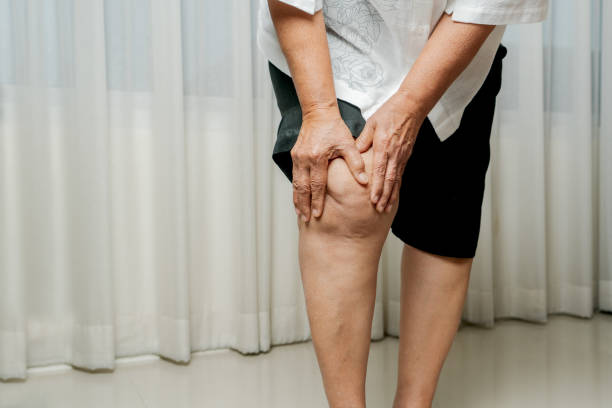
If you carry extra weight, you may have wondered whether it can affect your joints. Perhaps your knees hurt after climbing stairs, your hips feel stiff after sitting for a long time, or you notice that everyday activities have become more uncomfortable.
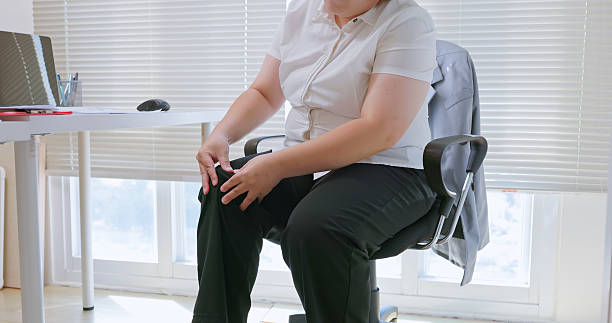
The short answer is yes-being overweight or having obesity can increase the risk of developing certain types of arthritis, particularly osteoarthritis (OA). The relationship is especially strong for weight-bearing joints such as the knees and hips.
But there is an important detail that is often overlooked: excess body weight doesn’t affect joints only because of the additional physical load they carry. Body fat can also influence inflammation and metabolic processes throughout the body. This helps explain why excess weight is associated with arthritis in some joints that do not directly support body weight, such as the hands.
The good news is that your joint health isn’t necessarily an all-or-nothing situation. Even modest, sustainable weight reduction may decrease stress on weight-bearing joints and improve physical function in people who are overweight or living with obesity.
This article explains the connection between body weight and arthritis, which types are most affected, how weight loss may help, what exercises are generally joint-friendly, and when persistent joint pain deserves medical evaluation.
What Is Arthritis?
Arthritis isn’t a single disease. It is a broad term describing conditions that affect joints, causing symptoms such as pain, stiffness, swelling, or reduced movement.
There are more than 100 types of arthritis, but several are particularly common.
The major categories include:
- Osteoarthritis: Often associated with progressive changes in cartilage and other joint tissues.
- Rheumatoid arthritis: An autoimmune disease in which the immune system attacks joint tissues.
- Gout: Caused by the buildup of uric acid crystals in joints.
- Psoriatic arthritis: An inflammatory form of arthritis associated with psoriasis.
- Juvenile arthritis: A group of inflammatory arthritis conditions affecting children.
When people ask whether being overweight increases their risk of arthritis, they are usually talking about osteoarthritis, although body weight can influence other joint and metabolic problems as well.
Can Being Overweight Increase Your Risk of Arthritis?
Yes. Excess body weight is an established risk factor for osteoarthritis, especially of the knees and hips.
The connection is particularly clear with knee osteoarthritis.
Why?
Imagine repeatedly carrying a heavy backpack while climbing stairs, standing, walking, or getting out of a chair. Your joints have to deal with forces generated by both your body weight and movement.
When body weight increases, the mechanical demands placed on weight-bearing joints can also increase.
However, this is only part of the story.
Researchers have also identified metabolic and inflammatory pathways that may connect excess adipose tissue with joint disease.
This creates two major pathways:
1. Mechanical stress
More body mass means greater forces through joints during many everyday movements.
2. Metabolic and inflammatory effects
Adipose tissue is biologically active. It can produce signaling molecules that influence inflammation and metabolism. These effects may help explain associations between obesity and arthritis beyond the knees and hips.
So the relationship isn’t simply:
“More weight = more pressure.”
It is more accurately:
More body weight can increase mechanical joint stress while changes associated with excess body fat may also affect the body’s inflammatory environment.
Which Joints Are Most Affected by Excess Weight?
The knees are among the joints most strongly associated with excess body weight and osteoarthritis.
The hips are also important because they carry substantial loads during standing and movement.
However, research suggests the relationship isn’t restricted to weight-bearing joints.
| Joint | Relationship With Excess Weight | Why It Matters |
|---|---|---|
| Knees | Strong association | Carry substantial loads during walking and stairs |
| Hips | Strong association | Major weight-bearing joints |
| Feet/ankles | Can be affected | Support body weight during movement |
| Hands | Association exists | May involve metabolic/inflammatory mechanisms |
| Spine | Complex relationship | Mechanical and other factors can contribute |
| Shoulders | Less directly related to body weight | Other factors often play a larger role |
This is one of the more interesting aspects of the weight-arthritis connection.
If excess weight affected arthritis exclusively through mechanical pressure, you would expect weight-bearing joints to be affected much more dramatically than non-weight-bearing joints.
But the association observed in some non-weight-bearing joints suggests that biology matters too.
How Does Excess Weight Affect Your Knees?
Your knee is a complex joint involving:
- Bone
- Cartilage
- Ligaments
- Tendons
- Muscles
- Synovial tissue
- Other connective tissues
Cartilage helps provide a smooth surface for joint movement.
With osteoarthritis, changes occur throughout the joint-not simply “wearing away” of cartilage.
Excess body weight can contribute to the problem by increasing mechanical loading during everyday activities.
Think about ordinary movements:
- Walking
- Running
- Climbing stairs
- Squatting
- Standing from a chair
- Carrying groceries
These activities place forces through the knee.
When your body weight is higher, the knee may experience greater loading during these activities.
Over many years, this can contribute to joint stress in susceptible individuals.
But it is important not to oversimplify this into a guarantee.
Being overweight does not mean you will definitely develop arthritis.
Likewise, people who are not overweight can develop osteoarthritis.
Age, previous joint injuries, genetics, occupation, physical activity, joint alignment, muscle strength, and other factors also matter.
Can Losing Weight Reduce Arthritis Pain?
For people with overweight or obesity and knee osteoarthritis, weight loss can be an important component of symptom management.
Research has found that weight reduction can improve pain and physical function in many people with knee osteoarthritis.
The benefit isn’t necessarily because someone reaches a particular “ideal” body weight.
Even a relatively modest reduction can be meaningful.
Why?
There are several possible reasons:
- Less body mass can reduce mechanical loading.
- Physical movement may become easier.
- Muscle function may improve when activity increases.
- Metabolic and inflammatory factors may change.
- Everyday activities may become less physically demanding.
This is why doctors and physical therapists often emphasize sustainable weight management rather than rapid weight loss.
How Much Weight Should You Lose?
There isn’t one number that applies to everyone.
Your appropriate target depends on factors such as:
- Current body weight
- Height
- Age
- Existing medical conditions
- Medications
- Physical activity
- Nutrition
- Joint symptoms
- Overall health goals
For someone with obesity and painful knee osteoarthritis, even an initial modest reduction may be worthwhile.
For example, imagine someone weighing 100 kg.
A 5% reduction would be approximately:
5 kg
A 10% reduction would be:
10 kg
That doesn’t mean everyone should immediately aim for 10% or that losing exactly 5% will produce a specific amount of pain relief.
The practical lesson is that you don’t need to wait until you’ve lost a large amount of weight before your efforts become meaningful.
Weight Loss Isn’t Just About Eating Less
One of the biggest mistakes people make when trying to manage weight and joint health is focusing exclusively on the scale.
A more useful approach is to improve several health behaviors at the same time.
Build meals around nutritious foods
Prioritize foods such as:
- Vegetables
- Fruits
- Beans and legumes
- Whole grains
- Fish
- Eggs
- Lean protein
- Nuts and seeds
- Healthy sources of fats
Limit excessive intake of highly processed foods, sugar-sweetened beverages, and foods that are particularly high in calories but low in nutritional value.
This doesn’t mean you can never eat your favorite foods.
Exercise Can Be Difficult When Your Knees Hurt
This creates a frustrating cycle:
Extra weight → knee pain → less movement → reduced fitness → more difficulty losing weight → more joint stress.
Breaking this cycle requires choosing activities that are realistic for your current physical ability.
You don’t necessarily need to run or perform high-impact workouts.
Joint-friendly activities may include:
- Walking at a comfortable pace
- Swimming
- Water aerobics
- Stationary cycling
- Low-impact aerobic exercise
- Strength training
- Mobility exercises
The best activity is often the one you can perform consistently without causing significant worsening of symptoms.
Strength Training Is Often Overlooked
When people think about arthritis and weight loss, they often focus entirely on cardio.
But strengthening the muscles around a joint can be extremely valuable.
For example, stronger muscles around the knee can help support movement and improve physical function.
A suitable strengthening program might include exercises targeting:
- Quadriceps
- Hamstrings
- Gluteal muscles
- Calves
- Core muscles
However, exercises should be adapted to the individual’s symptoms and physical abilities.
If you have significant joint pain, swelling, instability, or another medical condition, consider getting guidance from a physical therapist or qualified healthcare professional before beginning a demanding exercise program.
Real-Life Example: Why Small Changes Matter
Consider a hypothetical 52-year-old office worker weighing 105 kg who has gradually developed knee pain.
They spend most of the day sitting and avoid exercise because climbing stairs hurts.
Instead of immediately attempting intense running sessions, they make several changes:
Month 1
- Replace sugary drinks with water more often.
- Eat regular balanced meals.
- Begin short, comfortable walks.
- Start simple strengthening exercises recommended by a professional.
Month 2
Their activity gradually increases.
They discover that cycling is more comfortable than jogging, so cycling becomes part of their routine.
Month 3
They have lost some weight and find it easier to move.
The goal wasn’t a dramatic transformation in a few weeks.
The strategy was:
Reduce joint stress + improve fitness + build strength + improve nutrition + create sustainable habits.
That’s a much more realistic approach to long-term joint health.
What Other Factors Increase the Risk of Arthritis?
Body weight is important, but it is only one piece of the puzzle.
| Risk Factor | How It Can Influence Arthritis Risk |
|---|---|
| Age | Osteoarthritis becomes more common with increasing age |
| Previous joint injury | Injured joints may have greater long-term risk |
| Genetics | Family history can influence susceptibility |
| Excess body weight | Increases risk, particularly for knee and hip OA |
| Repetitive joint stress | Certain occupational or sporting activities may increase loading |
| Muscle weakness | Can affect joint function and movement |
| Joint alignment | Abnormal loading may contribute to joint degeneration |
| Certain diseases | Some medical conditions increase risk of particular arthritis types |
| Sedentary lifestyle | Can contribute to poor muscle conditioning and weight gain |
| Sex | Risk patterns vary depending on age and type of arthritis |
This is why arthritis prevention shouldn’t be reduced to:
“Just lose weight.”
A better strategy is to address the factors you can realistically modify while recognizing that some risks—such as age and genetics—cannot be changed.
Does Being Overweight Cause Rheumatoid Arthritis?
This requires a more careful answer.
Rheumatoid arthritis (RA) is an autoimmune disease, and its causes are different from those of osteoarthritis.
Excess body weight has been associated with aspects of rheumatoid arthritis in research, but that doesn’t mean being overweight directly “causes” RA in the same straightforward way that excess mechanical loading contributes to knee osteoarthritis.
RA involves an abnormal immune response and is influenced by genetic and environmental factors.
If you have symptoms such as:
- Persistent joint swelling
- Warmth around multiple joints
- Prolonged morning stiffness
- Symmetrical joint symptoms
- Significant fatigue
you should speak with a healthcare professional rather than assuming the problem is simply caused by weight.
How to Protect Your Joints If You’re Overweight
You don’t need to wait until you develop arthritis before taking action.
1. Maintain a healthy weight where possible
If you’re above a healthy weight, gradual weight management may help reduce stress on weight-bearing joints.
2. Keep moving
Avoid prolonged inactivity whenever possible.
Even short periods of movement throughout the day can be useful.
3. Build muscle strength
Strength training can improve physical function and support everyday movement.
4. Protect previous injuries
If you’ve previously injured a knee, hip, ankle, or other joint, take rehabilitation seriously.
5. Choose appropriate footwear
Comfortable, supportive footwear may make walking and daily activities easier, although footwear alone cannot prevent arthritis.
6. Don’t ignore persistent pain
Pain that repeatedly interferes with daily activities deserves evaluation.
When Should You See a Doctor About Joint Pain?
Not every episode of knee or joint pain means arthritis.
You should consider professional evaluation when pain:
- Persists for several weeks
- Is progressively worsening
- Interferes with sleep
- Makes walking difficult
- Causes significant swelling
- Limits your normal activities
- Occurs after a significant injury
- Is associated with unexplained fever or feeling seriously unwell
Sudden severe joint pain with substantial swelling, redness, warmth, fever, or inability to use the joint may require prompt medical attention.
A healthcare professional can determine whether the symptoms are consistent with osteoarthritis, an inflammatory arthritis, an injury, gout, infection, or another condition.
Can Arthritis Be Prevented Completely?
Unfortunately, there is no guaranteed way to prevent every type of arthritis.
Some risk factors cannot be changed.
You cannot control:
- Your age
- Your genetics
- Past injuries
- Certain biological factors
But you can influence several areas of your health.
Focus on what you can control:
Healthy weight + regular movement + muscle strength + injury prevention + nutritious eating + appropriate medical care
This doesn’t guarantee that you will never develop arthritis.
Instead, it gives your joints and overall health a better environment for maintaining function over time.
Frequently Asked Questions
1. Does being overweight increase the risk of knee arthritis?
Yes. Excess body weight is strongly associated with knee osteoarthritis. Greater body mass increases mechanical loading through the knee during activities such as walking and climbing stairs. Metabolic factors associated with excess adipose tissue may also contribute.
2. Can losing weight help arthritis pain?
For people with overweight or obesity and knee osteoarthritis, weight loss can improve pain and physical function. The amount of benefit varies between individuals, and weight management is usually most effective when combined with appropriate physical activity and other treatments.
3. Can a thin person still develop arthritis?
Yes. Being at a healthy weight doesn’t eliminate the possibility of arthritis. Age, genetics, previous injuries, joint structure, occupation, autoimmune conditions, and other factors can contribute to arthritis.
4. Does obesity cause arthritis in the hands?
The relationship between excess body weight and hand osteoarthritis is more complex than the relationship with knee arthritis. Because the hands don’t carry body weight in the same way as the knees and hips, researchers believe metabolic and inflammatory mechanisms may contribute to the association.
5. What is the best exercise for overweight people with arthritis?
There isn’t one best exercise for everyone. Low-impact activities such as walking, cycling, swimming, water exercise, and appropriately designed strength training can be useful. The right choice depends on your symptoms, fitness level, joint condition, and medical history.
6. Should I exercise if my knee hurts?
Not necessarily stop all activity. Gentle, appropriately selected movement can often be beneficial, but exercises that cause significant or persistent worsening of pain should be reconsidered. If pain is severe, persistent, or associated with swelling or instability, seek professional assessment.
7. Can losing weight prevent arthritis completely?
No. Weight management can reduce one important risk factor, particularly for osteoarthritis of weight-bearing joints, but it cannot eliminate every cause of arthritis. Genetics, aging, injuries, and other conditions can still contribute.
Final Thoughts: Your Weight Is One Piece of the Joint-Health Puzzle
So, can being overweight increase your risk of arthritis?
Yes-particularly osteoarthritis of weight-bearing joints such as the knees and hips.
But the relationship is more sophisticated than simply saying that extra weight “wears out” your joints. Increased mechanical loading is important, while biological and metabolic effects associated with excess body fat may also influence joint health.
The encouraging part is that joint health can often be supported through practical changes.
You don’t need to completely transform your life tomorrow.
Start with manageable steps:
- Improve the quality of your meals.
- Reduce excessive sugary drinks and highly processed foods.
- Move regularly.
- Strengthen the muscles that support your joints.
- Work toward gradual, sustainable weight management if appropriate.
- Treat previous joint injuries properly.
- Don’t ignore persistent or worsening joint pain.
Most importantly, don’t allow the fear of arthritis to push you into extreme diets or punishing workouts. Sustainable habits are far more valuable than short-term extremes.
If you’re already experiencing significant joint pain, speak with a qualified healthcare professional. Finding the actual cause of your symptoms is the first step toward choosing the right treatment and protecting your mobility for years to come.