
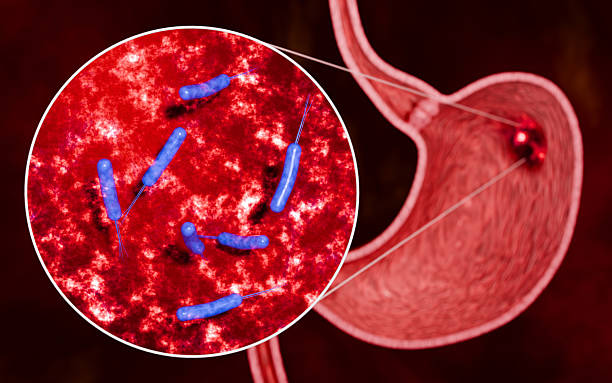
Stomach pain is easy to dismiss. You may blame it on spicy food, hunger, stress, gas, or something you ate earlier in the day. But when discomfort keeps returning-especially when it follows a recognizable pattern-it may be a sign that something more serious is happening inside your digestive system.
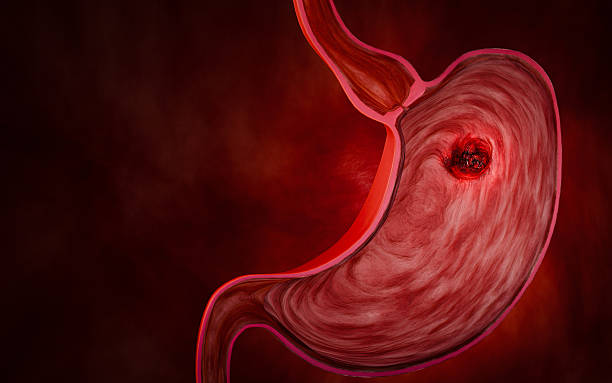
A stomach ulcer, also called a gastric ulcer, is an open sore that develops in the lining of the stomach. Similar ulcers can occur in the first part of the small intestine, where they are called duodenal ulcers. Together, these are commonly referred to as peptic ulcers.
One of the biggest problems with ulcers is that symptoms can vary considerably. Some people experience burning or gnawing pain, while others notice nausea, bloating, early fullness, or indigestion. Some people may even have an ulcer without obvious symptoms until a complication occurs.
The good news is that peptic ulcers are often treatable once the underlying cause is identified. Common causes include infection with Helicobacter pylori (H. pylori) and regular use of certain pain-relieving medicines called nonsteroidal anti-inflammatory drugs (NSAIDs).
Recognizing warning signs early can encourage timely medical evaluation and reduce the risk of complications such as gastrointestinal bleeding or perforation.
This guide explains the early symptoms of stomach ulcers, what causes them, how ulcers differ from ordinary indigestion, which warning signs require urgent care, and what you can do if you suspect you have one.
What Is a Stomach Ulcer?
A stomach ulcer is a sore that develops in the stomach lining when the protective barrier of the stomach becomes damaged.
Your stomach naturally produces acid to help digest food. Normally, the stomach has protective mechanisms that prevent this acid from damaging its own tissues.
When these defenses are disrupted, an ulcer can develop.
Peptic ulcers generally occur in two major locations:
| Type | Location | Common Causes |
|---|---|---|
| Gastric ulcer | Stomach lining | H. pylori infection, NSAIDs and other factors |
| Duodenal ulcer | First part of small intestine | H. pylori infection, NSAIDs and other factors |
An important point is that not every episode of stomach pain is an ulcer.
Acid reflux, gastritis, gallbladder disease, pancreatitis, irritable bowel syndrome, food intolerance, and other digestive problems can produce similar symptoms.
That’s why persistent or concerning symptoms should be medically evaluated rather than self-diagnosed.
What Causes Stomach Ulcers?
Two causes account for a large proportion of peptic ulcers.
1. H. pylori Infection
H. pylori is a type of bacteria that can live in the stomach and contribute to inflammation and damage to the stomach’s protective lining.
Many people with H. pylori have no obvious symptoms.
However, in some individuals, the infection contributes to gastritis and peptic ulcer disease.
H. pylori infection is particularly important because treating the infection can help heal an ulcer and reduce the likelihood of recurrence.
If a healthcare professional suspects H. pylori, testing may involve a:
- Breath test
- Stool test
- Blood test in certain circumstances
- Biopsy during an upper endoscopy
The appropriate test depends on the individual’s circumstances and local medical practice.
2. Regular Use of NSAID Painkillers
Another major cause is the regular use of NSAIDs.
Examples include medicines such as:
- Ibuprofen
- Naproxen
- Aspirin
- Diclofenac
These medicines can be very useful for pain and inflammation, but regular or high-dose use can increase the risk of stomach irritation, ulcers, and gastrointestinal bleeding.
Risk may be higher in people who:
- Take high doses
- Use NSAIDs frequently
- Take more than one NSAID
- Have previously had an ulcer
- Are older
- Take certain other medicines
- Have additional risk factors for gastrointestinal bleeding
If you regularly use painkillers and develop persistent stomach symptoms, speak with a healthcare professional rather than simply adding another medication yourself.
10 Early Warning Signs of a Stomach Ulcer
The symptoms of an ulcer aren’t identical for everyone. Some people experience only mild symptoms, while others develop severe complications.
Here are some warning signs worth paying attention to.
1. Burning or Gnawing Pain in the Upper Abdomen
One of the classic symptoms is pain in the upper central part of the abdomen, between the breastbone and belly button.
People may describe it as:
- Burning
- Gnawing
- Aching
- Dull
- Sharp
- Hunger-like discomfort
The timing can also be informative.
For some people, discomfort occurs when the stomach is empty or several hours after eating. Others may notice that eating makes their symptoms worse.
The pattern varies depending on the location and cause of the ulcer, so pain timing alone cannot diagnose an ulcer.
2. Recurring Indigestion
Occasional indigestion is common.
But if you repeatedly experience:
- Upper abdominal discomfort
- Burning
- Bloating
- Belching
- Feeling uncomfortably full
it may be worth discussing the symptoms with a healthcare professional.
Persistent indigestion can have many causes, and an ulcer is only one possibility.
3. Nausea
An ulcer can sometimes be associated with nausea.
You may feel as though you are going to vomit, particularly after eating.
However, nausea is extremely common and can result from infections, medications, pregnancy, food poisoning, reflux, migraine, anxiety, and many other conditions.
Nausea becomes more concerning when it is persistent or occurs alongside other digestive symptoms.
4. Feeling Full After Eating a Small Amount
Some people with upper gastrointestinal problems experience early satiety, meaning they feel full unusually quickly.
For example, you might normally eat a full meal but suddenly feel uncomfortable after a small portion.
Persistent early fullness shouldn’t automatically be attributed to an ulcer.
If it continues—especially alongside unexplained weight loss, vomiting, or significant abdominal pain—medical evaluation is important.
5. Bloating and Excessive Belching
Bloating can accompany various digestive disorders, including conditions affecting the stomach.
You may notice:
- Abdominal fullness
- Pressure
- Frequent burping
- Increased discomfort after meals
These symptoms alone are not enough to diagnose an ulcer.
Their importance increases when they occur repeatedly with upper abdominal pain or other warning signs.
6. Vomiting
Vomiting can occur with peptic ulcer disease, particularly when inflammation or another complication affects normal stomach function.
Repeated vomiting isn’t something to ignore.
If you’re unable to keep fluids down, become weak or dehydrated, vomit blood, or experience severe abdominal pain, seek urgent medical attention.
7. Reduced Appetite
Ongoing stomach discomfort can cause someone to lose interest in food.
This can become a problem if reduced appetite continues for weeks or results in unintended weight loss.
A temporary decrease in appetite during an illness is different from persistent appetite loss without an obvious explanation.
8. Unexplained Weight Loss
Unintentional weight loss deserves attention.
Someone with persistent stomach discomfort may begin eating less because they associate food with pain or nausea.
But unexplained weight loss can also occur with numerous other medical conditions.
Therefore, unintentional weight loss combined with persistent upper abdominal symptoms should be evaluated by a healthcare professional.
9. Symptoms That Keep Coming Back
One isolated episode of stomach discomfort doesn’t necessarily indicate an ulcer.
A more meaningful pattern is:
Symptoms improve → return → improve again → repeatedly return.
Recurring symptoms may suggest an underlying condition that needs to be identified.
Instead of repeatedly treating the discomfort with home remedies or over-the-counter medicines without finding the cause, consider getting properly evaluated.
10. Symptoms of Gastrointestinal Bleeding
This is one of the most important warning signs.
A bleeding ulcer can cause:
- Black, tarry stools
- Vomiting blood
- Vomit that looks like coffee grounds
- Weakness
- Dizziness
- Fainting
- Unusual fatigue due to blood loss
These symptoms require urgent medical attention.
Do not wait for the symptoms to disappear on their own.
Stomach Ulcer Symptoms vs Ordinary Indigestion
One reason ulcers are sometimes overlooked is that their symptoms can resemble ordinary indigestion.
| Symptom | Occasional Indigestion | Possible Ulcer/Other Digestive Disorder |
|---|---|---|
| Upper abdominal discomfort | May occur occasionally | May repeatedly return |
| Burning sensation | Possible | Commonly reported |
| Bloating | Common | Can occur |
| Nausea | Possible | Can occur |
| Early fullness | Possible | Can occur |
| Symptoms linked to meals | Common | Pattern varies |
| Black stools | Not expected | Possible sign of bleeding |
| Vomiting blood | Not expected | Emergency warning sign |
| Unexplained weight loss | Not typical | Requires evaluation |
| Persistent symptoms | Less typical | Medical assessment recommended |
The table isn’t a diagnostic test.
Symptoms overlap considerably, which is why persistent digestive symptoms should be evaluated based on the complete clinical picture.
When Is Stomach Pain an Emergency?
Some symptoms should not be managed at home.
Seek urgent medical attention if you have:
Vomiting blood
Blood may appear bright red or resemble dark coffee grounds.
Black, tarry stool
This can indicate bleeding higher in the digestive tract.
Sudden severe abdominal pain
Particularly if it is intense, persistent, or accompanied by a rigid or extremely tender abdomen.
Fainting or severe dizziness
This can occur with significant blood loss or other serious conditions.
Severe weakness
Especially when combined with signs of gastrointestinal bleeding.
A perforated ulcer, for example, can cause sudden severe abdominal pain and requires emergency treatment.
How Is a Stomach Ulcer Diagnosed?
You generally cannot confirm an ulcer based on symptoms alone.
A healthcare professional may consider:
- Your symptoms
- Medication history
- Medical history
- Family history
- H. pylori risk
- Physical examination
- Laboratory testing
- Endoscopy when appropriate
H. pylori Testing
Testing for H. pylori may involve a breath test or stool test.
If H. pylori is identified, treatment generally involves a combination of medicines designed to eliminate the infection and reduce stomach acid.
It’s important to complete treatment exactly as prescribed because incomplete treatment can contribute to treatment failure and antibiotic resistance.
What Is an Upper Endoscopy?
An upper gastrointestinal endoscopy, sometimes called an upper GI endoscopy or EGD, uses a thin flexible instrument with a camera to examine the:
- Esophagus
- Stomach
- Duodenum
During the procedure, a clinician can look directly for ulcers, inflammation, bleeding, or other abnormalities.
A small tissue sample may also be taken when necessary.
Not everyone with stomach discomfort requires endoscopy. The decision depends on factors such as age, symptoms, risk factors, alarm features, and local clinical guidelines.
Can You Treat a Stomach Ulcer at Home?
This is an important distinction.
Some lifestyle changes can reduce digestive irritation, but a confirmed peptic ulcer usually requires appropriate medical treatment based on its cause.
For example:
- H. pylori-associated ulcers require treatment directed at the infection.
- NSAID-associated ulcers may require changes to the medication strategy.
- Acid-suppressing medicines may be used to help the ulcer heal.
Simply drinking milk, avoiding spicy foods, or taking herbal mixtures does not eradicate H. pylori.
Likewise, repeatedly taking painkillers to treat ulcer-related pain can potentially worsen the underlying problem if the medication is an NSAID.
What Foods Should You Avoid With a Stomach Ulcer?
There is no universal “ulcer diet.”
Historically, people were sometimes advised to follow extremely restrictive diets. Modern management is more individualized.
However, certain foods or drinks may make your symptoms worse.
Common examples include:
- Very spicy foods
- Alcohol
- Large amounts of caffeine
- Very fatty meals
- Highly acidic foods for some individuals
The important distinction is:
A food that worsens symptoms isn’t necessarily the cause of the ulcer.
For example, spicy food may aggravate discomfort without being responsible for the underlying ulcer.
A practical strategy is to keep a food-and-symptom diary.
Record:
| What to Record | Example |
|---|---|
| Meal | Rice, beans and fried food |
| Time eaten | 2:00 PM |
| Symptoms | Burning upper abdominal pain |
| Severity | 5/10 |
| Medication | Ibuprofen earlier that day |
| Other factors | High stress, poor sleep |
Patterns become easier to identify when you record them over time.
What About Alcohol and Smoking?
Both deserve attention when discussing stomach health.
Alcohol
Alcohol can irritate the digestive tract and may worsen symptoms in some people.
If you have suspected or confirmed ulcer disease, avoiding alcohol while receiving treatment may be sensible, particularly if it worsens your symptoms or interacts with your medication.
Smoking
Smoking is associated with poorer ulcer outcomes and can interfere with healing.
If you smoke, quitting can benefit not only your stomach but also your cardiovascular, respiratory, and overall health.
A Real-Life Example: Why Recurrent Pain Shouldn’t Be Ignored
Imagine a 38-year-old man who experiences burning upper abdominal pain several times a week.
At first, he assumes it is caused by spicy food.
He begins drinking milk whenever the pain occurs. Sometimes it feels better, so he assumes the problem is solved.
A few weeks later, the symptoms return.
Eventually, he tells a doctor that he has been taking ibuprofen regularly for back pain.
The important clue isn’t simply the burning sensation.
It’s the combination of recurring symptoms and regular NSAID use.
A healthcare professional can then assess whether the symptoms could be related to an ulcer, gastritis, reflux, or another condition and determine whether testing or treatment is appropriate.
This is why treating recurring symptoms without investigating the underlying cause can sometimes delay proper care.
7 Practical Habits That May Support Stomach Health
These habits aren’t a substitute for medical treatment, but they can support better digestive health.
1. Use NSAIDs carefully
Don’t take painkillers more frequently or at higher doses than recommended.
If you require regular pain medication, discuss safer long-term options with a healthcare professional.
2. Avoid smoking
Quitting can support ulcer healing and improve overall health.
3. Limit alcohol
Especially if alcohol aggravates your symptoms.
4. Identify foods that worsen your symptoms
Avoid unnecessary restrictive diets, but reduce foods that repeatedly cause discomfort.
5. Don’t repeatedly self-treat unexplained symptoms
If symptoms keep returning, find out why.
6. Take prescribed treatment correctly
If you’re diagnosed with H. pylori or an ulcer, follow the treatment plan carefully.
7. Don’t ignore warning signs
Blood in vomit, black stools, fainting, or sudden severe abdominal pain should never be dismissed as ordinary indigestion.
Common Mistakes People Make When They Suspect an Ulcer
Mistake 1: Assuming every stomach pain is an ulcer
Many conditions cause similar symptoms.
Mistake 2: Treating symptoms indefinitely
Temporary relief doesn’t necessarily mean the underlying cause has disappeared.
Mistake 3: Blaming spicy food
Spicy food can aggravate symptoms in some people but isn’t the primary cause of most peptic ulcers.
Mistake 4: Taking NSAIDs frequently
Regular use of medicines such as ibuprofen, naproxen, or diclofenac can increase ulcer and gastrointestinal bleeding risk.
Mistake 5: Stopping prescribed treatment early
Especially when treating H. pylori infection, incomplete treatment can lead to treatment failure.
Mistake 6: Ignoring black stool
Black, tarry stool can indicate gastrointestinal bleeding and needs urgent assessment.
Frequently Asked Questions About Stomach Ulcers
1. What does a stomach ulcer feel like?
A stomach ulcer may cause burning, gnawing, aching, or discomfort in the upper abdomen. Some people also experience nausea, bloating, early fullness, or indigestion. However, these symptoms can occur with many other digestive conditions, so symptoms alone cannot confirm an ulcer.
2. Can spicy food cause stomach ulcers?
Spicy food is not considered the main cause of most peptic ulcers. H. pylori infection and NSAID use are major causes. However, spicy foods can aggravate symptoms in some people who already have an ulcer or other digestive condition.
3. Can an ulcer heal on its own?
Some ulcers may heal when the underlying cause is removed, but suspected or confirmed ulcer disease should be medically evaluated. Treatment may be needed to eradicate H. pylori, reduce acid, address NSAID use, and prevent complications.
4. Is milk good for stomach ulcers?
Milk may temporarily soothe symptoms for some people, but it is not a treatment for an ulcer. Milk does not eliminate H. pylori or repair the underlying cause of ulcer disease. Some people may also experience increased digestive symptoms after consuming dairy.
5. Can stress cause stomach ulcers?
Stress can affect digestive symptoms and may worsen discomfort, but psychological stress alone isn’t considered the primary cause of most peptic ulcers. H. pylori infection and NSAID use are much more important established causes.
6. Can an ulcer cause back pain?
Upper abdominal problems can sometimes cause pain that is felt elsewhere, but back pain has many possible causes. If abdominal pain is severe, persistent, or accompanied by vomiting, bleeding, fever, or other concerning symptoms, seek medical evaluation.
7. When should I see a doctor for stomach pain?
See a healthcare professional when stomach pain is persistent, repeatedly returns, interferes with eating or sleeping, or occurs with symptoms such as unexplained weight loss, persistent vomiting, anemia-like symptoms, or difficulty swallowing. Seek emergency care for vomiting blood, black tarry stools, fainting, or sudden severe abdominal pain.
Conclusion: Don’t Ignore Repeated Stomach Symptoms
A stomach ulcer may begin with something that seems easy to dismiss: recurring burning, gnawing upper abdominal discomfort, nausea, bloating, or indigestion.
The problem is that these symptoms can overlap with many other digestive conditions.
That’s why the goal shouldn’t be to diagnose yourself from a symptom checklist.
Instead, pay attention to patterns and warning signs.
If symptoms repeatedly return, particularly if you regularly use NSAID painkillers or have other risk factors, arrange an appropriate medical evaluation. Testing for H. pylori and other investigations may help identify what’s actually causing the problem.
And remember the most important warning signs:
Vomiting blood, black tarry stools, fainting, severe weakness, or sudden severe abdominal pain require urgent medical attention.
A stomach ulcer is often treatable, but complications can become serious when treatment is delayed.
Taking recurring symptoms seriously doesn’t mean assuming the worst. It means giving yourself the best opportunity to identify the cause early and receive the right care.