
Many men notice changes in their urinary habits as they get older. They may begin waking up more often at night to urinate, experience a weaker urine stream, or feel that their bladder is not completely empty.
These symptoms are often associated with an enlarged prostate, medically known as benign prostatic hyperplasia (BPH).
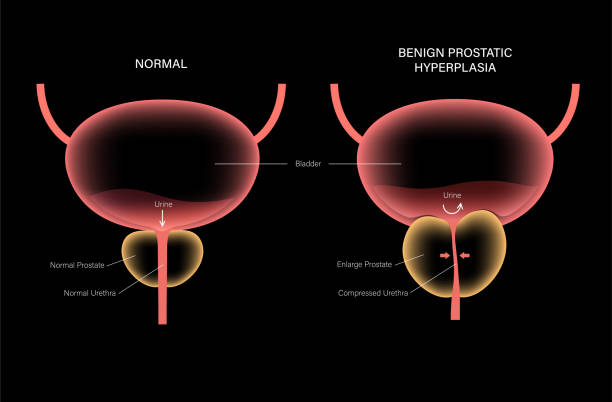
The word benign is important. BPH is a non-cancerous enlargement of the prostate. Having an enlarged prostate does not mean a man has prostate cancer.
However, urinary symptoms should not automatically be blamed on aging or BPH. Similar symptoms can also be caused by urinary tract infections, bladder problems, diabetes, certain medications, or other conditions.
Understanding the symptoms of an enlarged prostate can help men recognize when a change in their health deserves medical attention.
This guide explains the common symptoms of BPH, why the prostate becomes enlarged, how doctors evaluate urinary symptoms, available treatment options, and when it is important to see a doctor.
Important: This article provides general health information and cannot diagnose an enlarged prostate or any other medical condition. Persistent or worsening urinary symptoms should be evaluated by a qualified healthcare professional.
What Is an Enlarged Prostate?
The prostate is a small gland that forms part of the male reproductive system. It is located below the bladder and surrounds part of the urethra, the tube that carries urine out of the body.
As men age, the prostate may gradually increase in size.
When enlargement affects the urethra or interferes with normal bladder function, it can lead to lower urinary tract symptoms.
Not every man with an enlarged prostate experiences the same symptoms. Some men may have significant enlargement with relatively mild symptoms, while others may experience troublesome symptoms even when the enlargement is less pronounced.
This is an important point: prostate size and symptom severity do not always match perfectly.
What Are the Symptoms of an Enlarged Prostate?
Symptoms of BPH are generally related to changes in urine storage and urine flow.
1. Frequent Urination
One of the most common complaints is needing to urinate more frequently than usual.
This may happen during the day, at night, or both.
Frequent urination can affect work, travel, sleep, and daily activities.
However, it is not specific to an enlarged prostate. Diabetes, urinary infections, certain medications, and bladder conditions can also increase how often a person urinates.
2. Waking Up at Night to Urinate
Repeatedly waking up at night to urinate is called nocturia.
For some men, this becomes one of the most disruptive symptoms because poor sleep can affect:
- Energy levels
- Concentration
- Mood
- Daily productivity
An enlarged prostate can contribute to nighttime urination, but nocturia may also have other causes.
If nighttime urination is new, frequent, or significantly affecting sleep, it is worth discussing with a healthcare professional.
3. Difficulty Starting Urination
Some men experience a delay before urine begins to flow, even when they feel a strong urge to urinate.
This can happen when the enlarged prostate contributes to resistance around the urethra.
Persistent difficulty starting urination should be assessed rather than ignored.
4. A Weak Urine Stream
A weaker-than-usual urine stream is a common symptom of BPH.
The flow may feel slower, less forceful, or less continuous than it used to be.
Some men also notice that they need to spend longer in the bathroom.
A weak stream can have other causes, so medical assessment may be necessary.
5. Stop-and-Start Urination
The urine stream may stop and restart several times during urination.
This can be frustrating and may occur alongside straining or a feeling that the bladder has not emptied properly.
6. Straining to Urinate
Some men find that they need to strain or push to begin or maintain urine flow.
Repeated straining should not be considered a normal part of aging.
It may indicate a problem affecting normal urinary function.
7. A Feeling of Incomplete Bladder Emptying
After urinating, a man may feel as though urine is still left in the bladder.
This sensation can lead to repeated trips to the bathroom.
A healthcare professional may investigate whether the bladder is emptying effectively.
8. Sudden Urgency to Urinate
Urinary urgency is a sudden and difficult-to-delay need to urinate.
Although many people associate BPH only with a weak urine stream, an enlarged prostate can also be associated with storage symptoms such as urgency and increased frequency.
This is partly because the bladder may respond to changes in urinary flow and resistance.
9. Dribbling After Urination
Some men notice that a small amount of urine continues to leak or dribble after they believe they have finished urinating.
This can be inconvenient and may occur alongside other urinary symptoms.
Common Symptoms of an Enlarged Prostate at a Glance
| Symptom | How It May Feel | Why Medical Assessment Can Help |
|---|---|---|
| Frequent urination | Needing to urinate more often | Identifies whether BPH or another condition is involved |
| Nighttime urination | Repeatedly waking to use the bathroom | Helps evaluate prostate, bladder, sleep, and other causes |
| Weak urine stream | Slower or less forceful flow | Can indicate obstruction or another urinary problem |
| Difficulty starting | Delay before urine begins | May require evaluation of urine flow |
| Stop-and-start flow | Stream repeatedly interrupts | Can affect bladder emptying |
| Straining | Needing to push to urinate | May suggest increased resistance to urine flow |
| Urgency | Sudden strong need to urinate | May involve bladder as well as prostate function |
| Incomplete emptying | Feeling urine remains after urinating | Can help identify retention or other problems |
| Post-urination dribbling | Small leakage after finishing | May occur with changes in urinary function |
What Causes an Enlarged Prostate?
The exact biological process behind BPH is complex, but age-related changes are believed to play an important role.
Age
BPH becomes increasingly common as men get older.
The prostate can continue to change throughout adult life, and these changes may eventually affect urinary function.
Ageing does not guarantee that every man will develop bothersome symptoms, but it is one of the strongest factors associated with prostate enlargement.
Hormonal Changes
The prostate is influenced by hormones.
Changes in hormone activity over time may contribute to prostate growth.
These processes are complex, and a person’s symptoms cannot be explained simply by measuring one hormone.
Family History and Genetics
Some men may have a higher likelihood of developing prostate enlargement due to family history and genetic factors.
A family history does not guarantee that someone will develop BPH, but it can be useful information to share with a healthcare professional.
Metabolic and Lifestyle Factors
Researchers have explored possible relationships between metabolic health, body weight, diabetes, physical activity, and urinary symptoms.
Lifestyle changes cannot guarantee that BPH will be prevented or eliminated, but maintaining good general health may support bladder, cardiovascular, and metabolic health.
Enlarged Prostate vs Other Conditions
One of the biggest mistakes men can make is assuming that every urinary symptom is caused by an enlarged prostate.
Several conditions can produce similar symptoms.
| Condition | Possible Symptoms | Key Point |
|---|---|---|
| Benign prostatic hyperplasia | Weak stream, frequency, urgency, nighttime urination | Non-cancerous prostate enlargement |
| Urinary tract infection | Painful urination, frequency, urgency | May require appropriate medical treatment |
| Prostatitis | Urinary symptoms and pelvic discomfort | Involves prostate inflammation |
| Diabetes | Frequent urination | Can affect urine production and bladder function |
| Bladder disorders | Urgency and frequent urination | Symptoms may occur without prostate enlargement |
| Medication effects | Changes in urination | Some medicines can affect bladder or urine flow |
| Prostate cancer | May cause no symptoms early; urinary symptoms can occur | Symptoms alone cannot diagnose cancer |
The overlap between these conditions is why persistent symptoms should be properly evaluated.
How Is an Enlarged Prostate Diagnosed?
A healthcare professional will usually begin by discussing your symptoms and medical history.
Medical History
Questions may include:
- When did the symptoms begin?
- How often do you urinate?
- How many times do you wake at night?
- Has your urine stream changed?
- Do you feel that your bladder empties completely?
- Are you taking any medications?
- Do you have diabetes, high blood pressure, or other medical conditions?
A doctor may also use a symptom questionnaire to better understand how much the symptoms affect daily life.
Physical Examination
Depending on the situation, a healthcare professional may recommend a physical examination as part of the assessment.
Urine Testing
A urine test may help identify possible:
- Infection
- Blood in the urine
- Other abnormalities
This can help rule out conditions that may cause symptoms similar to BPH.
Blood Tests
Blood tests may be recommended depending on your symptoms and medical history.
Kidney function tests may be considered when there is concern that urinary problems could be affecting the kidneys.
A healthcare professional may also discuss a prostate-specific antigen (PSA) blood test in appropriate situations.
PSA is not a test that can independently diagnose prostate cancer. PSA levels can be influenced by several conditions.
Additional Tests
Depending on the situation, further evaluation may include:
- Measuring urine flow
- Checking how much urine remains in the bladder after urination
- Imaging studies
- Other specialized tests
The right tests depend on the individual’s symptoms and overall health.
Treatment Options for an Enlarged Prostate
Treatment depends on several factors, including:
- The severity of symptoms
- How much symptoms affect daily life
- The size and characteristics of the prostate
- Whether complications are present
- Other health conditions
- Personal preferences
Not every man with an enlarged prostate requires immediate treatment.
1. Watchful Waiting and Monitoring
If symptoms are mild and not significantly affecting daily life, a healthcare professional may recommend monitoring.
This approach may include:
- Tracking symptoms
- Attending follow-up appointments
- Reviewing medications
- Discussing lifestyle adjustments
Monitoring is not the same as ignoring symptoms. It involves observing the condition and knowing when reassessment is needed.
2. Lifestyle and Daily Habit Adjustments
Simple changes may help some men manage urinary symptoms.
Depending on individual circumstances, a healthcare professional may suggest strategies such as:
- Paying attention to fluid intake patterns
- Avoiding large amounts of fluids close to bedtime when appropriate
- Limiting beverages that appear to worsen personal symptoms
- Maintaining regular physical activity
- Managing constipation
- Reviewing medications that may affect urination
The right approach varies from person to person.
3. Medication
Several types of prescription medications may be used to manage BPH symptoms.
Depending on the situation, medication may aim to:
- Relax muscles affecting urine flow
- Reduce prostate size over time in appropriate patients
- Address certain bladder-related symptoms
Medication choices should be made with a qualified healthcare professional.
The potential benefits, side effects, and interactions can differ between treatments.
Do not start or stop prescription medication without appropriate medical advice.
4. Minimally Invasive Procedures
When symptoms remain troublesome or medication is not suitable, some patients may be candidates for minimally invasive procedures.
The available options depend on factors such as prostate size, anatomy, health status, and local medical expertise.
A urologist can explain the potential benefits and risks of available procedures.
5. Surgery
Surgery may be considered for some men with severe symptoms or complications.
The type of procedure depends on the individual’s medical situation.
The goal is often to improve urine flow and reduce the obstruction caused by prostate enlargement.
Surgery is generally considered after careful evaluation and discussion of alternatives.
Treatment Options Compared
| Management Approach | Often Considered When | Main Goal | Important Consideration |
|---|---|---|---|
| Monitoring | Symptoms are mild | Track symptoms and progression | Regular follow-up may still be needed |
| Lifestyle adjustments | Symptoms are mild or moderate | Reduce factors that worsen symptoms | Results vary between individuals |
| Prescription medication | Symptoms affect quality of life | Improve urine flow or reduce symptoms | Side effects and interactions should be discussed |
| Minimally invasive procedures | Medication is unsuitable or insufficient | Improve urinary obstruction | Suitability depends on anatomy and health |
| Surgery | Severe symptoms or complications | Provide more significant relief of obstruction | Requires individualized risk-benefit assessment |
A Practical Example: Why Symptom Severity Matters
Consider a hypothetical 62-year-old man who wakes up once at night to urinate but otherwise has no major problems.
His doctor may recommend monitoring and reviewing lifestyle habits rather than immediately recommending a procedure.
Now consider another man of the same age who wakes up several times every night, struggles to begin urinating, and feels unable to empty his bladder.
Although both men may have BPH, the impact on their daily lives is very different.
This highlights an important insight: treatment decisions are not based only on the size of the prostate. Symptom severity, complications, quality of life, and overall health also matter.
Can an Enlarged Prostate Cause Complications?
In some cases, significant urinary obstruction may contribute to complications.
Possible problems can include:
- Urinary retention
- Recurrent urinary tract infections
- Bladder stones
- Changes in bladder function
- Kidney problems in certain situations
Not everyone with BPH develops these complications.
However, persistent or worsening symptoms should not be ignored because appropriate evaluation can help identify whether there are signs of significant obstruction.
When Should You See a Doctor?
Consider making a medical appointment if you experience persistent or worsening:
- Frequent urination
- Repeated nighttime urination
- Difficulty starting urination
- A weak or interrupted urine stream
- Straining to urinate
- A persistent feeling of incomplete bladder emptying
- Sudden urinary urgency
- Pain or discomfort during urination
- Blood in the urine
Even if the cause turns out to be BPH, an assessment can help determine how severe the symptoms are and whether treatment is needed.
When Is It an Emergency?
Seek urgent medical care if you:
- Are unable to pass urine
- Develop severe urinary symptoms with significant illness
- Notice substantial bleeding or rapidly worsening symptoms
- Become seriously unwell alongside urinary problems
These symptoms can have several possible causes and require prompt medical assessment.
Practical Strategies for Living With an Enlarged Prostate
Track Your Symptoms
Pay attention to:
- How often you urinate
- How many times you wake at night
- Whether your stream has changed
- Whether symptoms are improving or worsening
A simple symptom record can help make medical appointments more productive.
Review Your Medication
Some medicines may affect urination or bladder function.
Do not stop prescribed medication on your own, but ask a healthcare professional whether any of your current medicines could be contributing to urinary symptoms.
Avoid Unproven “Prostate Cures”
Be cautious about products claiming to:
- Permanently shrink the prostate immediately
- Cure every prostate problem
- Guarantee relief
- Replace medical evaluation
An enlarged prostate can require different management depending on the person and the severity of symptoms.
A supplement or herbal product should not replace appropriate medical assessment.
Focus on Overall Health
Regular physical activity, a balanced diet, management of chronic conditions, and appropriate medical follow-up support general health.
While these habits cannot guarantee prevention or cure of BPH, they can form part of a broader approach to healthy ageing.
Frequently Asked Questions
1. What is usually the first symptom of an enlarged prostate?
There is no single first symptom. Some men first notice a weaker urine stream, increased frequency, or waking up at night to urinate. Others may have few noticeable symptoms.
2. Can an enlarged prostate go away on its own?
BPH is related to changes in prostate tissue that commonly occur with age. Symptoms may fluctuate, and management depends on the individual situation. A healthcare professional can recommend whether monitoring, medication, or another treatment is appropriate.
3. Does an enlarged prostate mean prostate cancer?
No. BPH is a non-cancerous condition. However, urinary symptoms can have several causes, so persistent changes should still be medically evaluated.
4. What foods or drinks should men with an enlarged prostate avoid?
There is no universal list that works for everyone. Some people notice that certain beverages or fluid patterns worsen urinary symptoms. A healthcare professional can provide individualized advice based on your symptoms and other health conditions.
5. Can medication shrink an enlarged prostate?
Certain prescription medications may reduce prostate size over time in appropriate patients, while other medicines primarily improve urinary flow or symptoms. The best option depends on the individual’s situation.
6. When does an enlarged prostate require surgery?
Surgery may be considered when symptoms are severe, complications develop, or other treatments are not appropriate or effective. The decision should be made after an individualized medical evaluation.
7. Can an enlarged prostate affect the kidneys?
In some cases, severe or prolonged urinary obstruction can contribute to kidney problems. This is one reason significant urinary symptoms should be assessed rather than ignored.
Conclusion
An enlarged prostate, or benign prostatic hyperplasia, is a common non-cancerous condition that can affect men as they get older.
Common symptoms include frequent urination, nighttime urination, difficulty starting, a weak or interrupted urine stream, straining, urgency, post-urination dribbling, and a feeling that the bladder is not completely empty.
However, these symptoms are not unique to BPH.
Urinary infections, diabetes, bladder problems, prostatitis, medication effects, and other conditions can produce similar changes. This makes proper evaluation important.
The good news is that treatment does not always mean surgery. Depending on symptom severity and individual circumstances, management may involve monitoring, lifestyle adjustments, prescription medication, minimally invasive procedures, or surgery.
The most important step is to pay attention to persistent changes.
Do not assume that every urinary problem is simply a normal part of getting older—and do not assume that every symptom means cancer. A qualified healthcare professional can help identify the cause and recommend the most appropriate next step.