
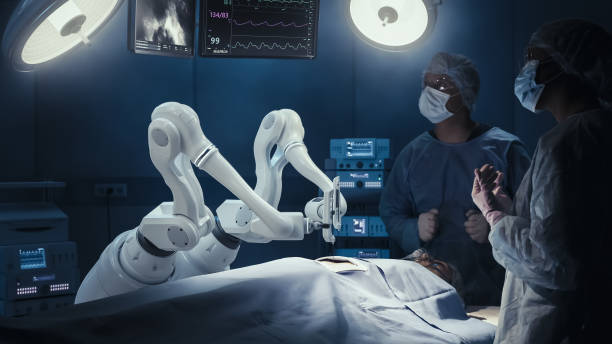
Medical robots are becoming increasingly visible in modern healthcare. From robotic-assisted surgery and rehabilitation systems to robots that help transport supplies or support clinicians, these technologies are changing how some hospitals deliver care.
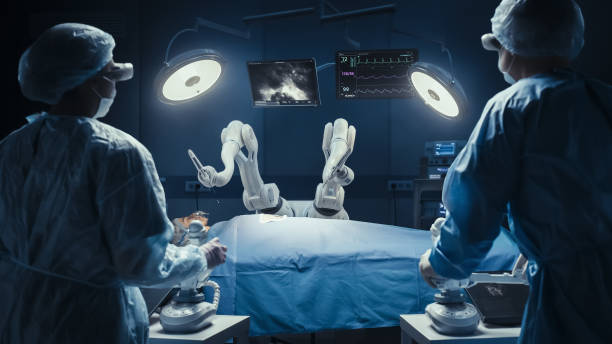
But their growing presence raises an important question:
Are medical robots safe?
The short answer is that medical robots can be safe and useful when they are properly designed, tested, maintained, and operated by trained healthcare professionals. However, they are not risk-free, and they do not eliminate the possibility of complications, technical problems, or human error.
A medical robot is also not necessarily an autonomous machine that independently decides what happens to a patient. In many modern surgical systems, for example, the robot is a sophisticated tool controlled by a surgeon.
Understanding the benefits and limitations is therefore more useful than simply labeling medical robots as either “safe” or “dangerous.”
This article examines how medical robots work, their potential benefits, possible risks, cybersecurity and equipment concerns, costs, limitations, and what patients should ask before undergoing a procedure involving robotic technology.
Important: This article provides general health information and is not a substitute for advice from a qualified healthcare professional. The suitability of robotic technology depends on the specific procedure, patient, hospital, and clinical circumstances.
What Are Medical Robots?
Medical robots are machines designed to assist with healthcare tasks.
The term covers a broad range of technologies, including:
- Robotic-assisted surgical systems
- Rehabilitation robots
- Robotic prosthetic systems
- Hospital logistics robots
- Robotic imaging or positioning systems
- Teleoperated medical devices
- Automated medication or laboratory systems
These systems differ significantly in how they operate.
Some are directly controlled by healthcare professionals. Others perform limited automated functions under supervision.
Therefore, saying that “a robot performed the operation” can sometimes be misleading.
In robotic-assisted surgery, for example, a surgeon typically controls the instruments through a specialized interface while the robotic system translates those movements into precise instrument movements.
Are Medical Robots Safe?
Medical robots can be safe when used appropriately, but no medical technology is completely without risk.
Safety depends on several factors:
- The design and regulatory status of the device
- Appropriate patient selection
- Training of healthcare professionals
- Hospital protocols
- Equipment maintenance
- Software reliability
- Infection-control procedures
- Emergency backup systems
- Monitoring during the procedure
- The complexity of the operation
A sophisticated robot cannot compensate for poor clinical decision-making or inadequate training.
Likewise, a highly experienced medical team cannot completely eliminate the possibility of complications associated with a medical device or procedure.
The right question is therefore not simply:
“Is robotic surgery safe?”
A better question is:
“Is this particular robotic system appropriate for this procedure and patient, and does the healthcare team have the experience and infrastructure to use it safely?”
How Robotic-Assisted Surgery Works
Robotic-assisted surgery is one of the best-known applications of medical robotics.
A typical system may include:
- A surgeon’s control console
- Robotic arms
- Specialized surgical instruments
- A high-definition camera
- Software that translates surgeon movements
- A patient-side system
The surgeon controls the system rather than leaving the robot to independently decide how the operation should be performed.
This distinction is important.
The Robot Is Usually an Assistive Tool
A robotic surgical system can provide features such as:
- Enhanced visualization
- Instrument flexibility
- Movement scaling
- Tremor filtering
- Precise positioning
But the system does not replace the need for medical judgment.
The surgeon must still determine what should be done and respond to unexpected findings.
Potential Benefits of Medical Robots
1. Greater Precision
One potential advantage of robotic systems is the ability to make highly controlled instrument movements.
In some procedures, this can help surgeons operate in relatively small or difficult-to-reach areas.
However, greater mechanical precision does not automatically guarantee better outcomes for every operation.
The benefit depends on the procedure and how the technology is used.
2. Improved Visualization
Some robotic surgical platforms provide magnified, high-definition views of the surgical field.
Certain systems can also provide three-dimensional visualization.
Better visualization may help surgeons identify anatomical structures during appropriate procedures.
3. Greater Instrument Flexibility
Traditional surgical instruments may have limitations in how they move.
Some robotic instruments are designed to provide additional articulation.
This can be particularly useful for certain minimally invasive procedures where the surgeon needs to maneuver around structures within the body.
4. Minimally Invasive Procedures
Many robotic systems are used to support minimally invasive surgery.
Instead of a large incision, certain procedures may be performed through several smaller openings.
Potential benefits can include:
- Smaller incisions
- Less disruption to surrounding tissue
- Reduced hospital stay in some procedures
- Faster recovery in selected circumstances
However, these benefits vary by operation and patient.
Robotic surgery should not automatically be assumed to provide a faster or easier recovery than every alternative.
5. Improved Ergonomics for Surgeons
Traditional surgery can require surgeons to stand in uncomfortable positions for long periods.
A robotic console can allow the surgeon to sit while controlling instruments.
Better ergonomics may help reduce physical strain during lengthy procedures.
This is a benefit for the healthcare professional, but it may indirectly support procedural performance.
Potential Benefits at a Glance
| Potential Benefit | How It May Help | Important Limitation |
|---|---|---|
| Precision | Allows controlled instrument movements | Does not eliminate surgical complications |
| Visualization | Provides magnified views in some systems | Image quality does not replace clinical judgment |
| Instrument flexibility | Helps maneuver in difficult anatomical spaces | Not necessary for every procedure |
| Smaller incisions | May support minimally invasive approaches | Recovery varies by patient and procedure |
| Surgeon ergonomics | Can reduce physical strain | Does not determine surgical quality by itself |
| Movement scaling | Can translate large hand movements into smaller instrument movements | Depends on the specific system |
What Are the Risks of Medical Robots?
Medical robots introduce potential risks in addition to the risks associated with the underlying medical procedure.
Understanding these risks does not mean robotic healthcare is unsafe. It means patients and healthcare organizations should understand that technology requires proper oversight.
1. Equipment Malfunction
Like any complex machine, a medical robot can experience technical problems.
Potential issues may involve:
- Mechanical components
- Electrical systems
- Software
- Cameras
- Instruments
- Communication systems
Hospitals should have procedures for managing equipment problems during medical procedures.
2. Human Error
Robotic systems do not eliminate human error.
Mistakes can occur during:
- Patient selection
- Equipment setup
- Instrument placement
- Surgical planning
- System operation
- Postoperative care
Training and standardized procedures are therefore essential.
3. Learning Curve
Healthcare professionals may require significant training to become proficient with a particular robotic platform.
Experience matters because using sophisticated technology effectively is not simply a matter of pressing buttons.
A hospital should consider whether clinicians have sufficient experience with:
- The specific robotic platform
- The specific procedure
- Potential complications
- Emergency conversion to another surgical approach
4. Technical Failure During a Procedure
A robotic system may occasionally need to be stopped or disconnected.
This creates an important question:
What happens if the robot cannot continue?
A well-prepared surgical team should have contingency plans.
Depending on the procedure, this might include continuing with conventional laparoscopic instruments or converting to an open surgical approach.
The exact plan depends on the operation.
5. Infection Risks
Robotic surgical instruments still enter or interact with the clinical environment.
Strict infection-control procedures are therefore essential.
Reusable components must be appropriately cleaned, disinfected, or sterilized according to the manufacturer’s instructions and healthcare regulations.
Robotic technology does not eliminate the basic principles of infection prevention.
6. Cybersecurity Risks
Modern medical equipment can involve software, networks, data connections, and digital systems.
This creates potential cybersecurity concerns.
Healthcare organizations need appropriate safeguards against:
- Unauthorized access
- Malware
- Data breaches
- Network disruption
- Compromised software
Cybersecurity is not simply an information-technology issue.
When medical devices depend on digital infrastructure, cybersecurity can become part of patient safety.
7. Limited Tactile Feedback
Some robotic surgical systems may provide less direct tactile sensation than traditional instruments.
Surgeons may therefore rely heavily on:
- Visual information
- Instrument response
- Tissue movement
- Their clinical experience
Advances in technology may improve sensory feedback, but limitations remain depending on the system.
8. Cost
Medical robots can be expensive to purchase, maintain, upgrade, and operate.
Costs can include:
- Equipment acquisition
- Specialized instruments
- Maintenance contracts
- Software updates
- Training
- Facility modifications
- Technical support
These costs can contribute to higher treatment prices in some healthcare systems.
The most expensive technology is not necessarily the best choice for every patient.
Risks and Limitations Compared
| Risk or Limitation | Why It Matters | How Healthcare Teams Address It |
|---|---|---|
| Equipment malfunction | May interrupt a procedure | Maintenance and contingency plans |
| Learning curve | Inexperienced operators may face additional challenges | Structured training and supervised experience |
| Cybersecurity | Connected systems may introduce digital risks | Security controls and monitoring |
| Cost | May increase healthcare expenses | Careful investment and cost assessment |
| Limited tactile feedback | May change how clinicians sense tissue | Visual feedback and operator experience |
| Human error | Technology cannot eliminate mistakes | Training, checklists, and protocols |
| Infection control | Instruments still require proper processing | Sterilization and infection-control procedures |
Does Robotic Surgery Have Fewer Complications?
This question is more complicated than it may appear.
Robotic surgery can provide important technical advantages, but whether it produces better outcomes depends on the procedure and the circumstances.
For some operations, robotic approaches may offer advantages over conventional approaches.
For others, traditional laparoscopic or open surgery may be equally appropriate or preferable.
A common misconception is:
“Robot-assisted means safer.”
That is too simplistic.
A better approach is to compare the available treatment options based on:
- Expected outcomes
- Complication rates
- Recovery
- Surgeon experience
- Patient health
- Procedure complexity
- Cost
- Available alternatives
Real-Life Example: Choosing Robotic Surgery
Imagine a patient who requires a procedure for a condition that can be treated using open surgery, conventional minimally invasive surgery, or robotic-assisted surgery.
The patient sees advertisements highlighting the precision of robotic technology and assumes the robot must be the safest option.
However, the surgeon explains that all three approaches may be reasonable depending on the patient’s anatomy and medical history.
The surgeon also explains that the hospital has performed many conventional procedures but has relatively limited experience with the robotic technique.
In this situation, choosing the robot simply because it is technologically advanced would not necessarily be the best decision.
Technology should serve the treatment plan-not the other way around.
What Determines Whether a Medical Robot Is Safe?
Regulatory Oversight
Medical devices generally undergo regulatory evaluation before they can be marketed for specific uses.
Patients should be cautious about unapproved or experimental devices being promoted without appropriate oversight.
Hospital Infrastructure
A robotic system requires more than the robot itself.
A hospital may need:
- Trained surgeons
- Anesthesia specialists
- Nurses
- Biomedical engineers
- Technical support
- Sterilization facilities
- Maintenance systems
- Emergency backup plans
A hospital that cannot adequately support the technology may not be an appropriate environment for its use.
The Importance of Surgeon Experience
One of the most important questions patients can ask is not simply:
“Does this hospital have a robot?”
Instead, ask:
“How experienced is the surgical team with this procedure and this robotic system?”
Experience should be considered in context.
A surgeon who has used a robotic platform extensively may have different expertise from someone who has only recently begun using it.
Patients can reasonably ask about:
- The surgeon’s experience
- The number of procedures performed
- Expected benefits
- Potential complications
- Alternative approaches
- What happens if the robotic system cannot be used
These are legitimate healthcare questions.
Medical Robots Beyond Surgery
Robotics in healthcare extends beyond operating rooms.
Rehabilitation Robots
Robotic systems can assist some patients with movement and rehabilitation.
They may be used in certain neurological or musculoskeletal rehabilitation programs.
The goal is generally to support repetitive, structured movement while therapists monitor progress.
Hospital Logistics Robots
Some healthcare facilities use robots to transport:
- Medicines
- Supplies
- Laboratory samples
- Equipment
These systems may reduce the need for staff to perform repetitive transportation tasks.
Robotic Prosthetics
Advanced prosthetic technologies may incorporate electronic and robotic components to help users perform specific movements.
These systems continue to evolve and may provide functional advantages for selected users.
Limitations of Medical Robots
Medical robotics is advancing rapidly, but several limitations remain.
They Do Not Replace Doctors
Robots cannot independently replace the full range of human clinical judgment.
Doctors and other healthcare professionals must interpret:
- Symptoms
- Test results
- Medical history
- Patient preferences
- Unexpected findings
They Are Not Appropriate for Every Procedure
Some operations may have little reason to use robotic technology.
Adding technology simply because it is available does not necessarily improve patient care.
They Can Increase Costs
Robotic systems can require substantial investment.
Healthcare organizations must consider whether the benefits justify the cost.
Availability Can Be Limited
Advanced robotic systems are not available in every hospital.
This can create differences in access between major urban hospitals and smaller healthcare facilities.
Questions to Ask Before a Robotic Procedure
If your doctor recommends robotic-assisted surgery, consider asking:
About the Procedure
- Why is robotic surgery being recommended?
- What is the goal of the operation?
- What are the alternatives?
About the Medical Team
- How experienced is the surgeon with this procedure?
- How frequently does the team use this robotic system?
About Safety
- What are the major complications?
- What happens if the robotic system malfunctions?
- Is there a backup surgical approach?
About Recovery
- How long might recovery take?
- What restrictions should I expect?
- What follow-up care will be required?
About Cost
- What is included in the quoted cost?
- Are robotic instruments or additional hospital charges billed separately?
- Does insurance cover the procedure?
Are Medical Robots Better Than Human Surgeons?
No.
This is a misleading way to frame the technology.
Robotic-assisted surgery is generally designed to assist surgeons, not compete with them.
The surgeon provides:
- Clinical judgment
- Decision-making
- Planning
- Anatomical interpretation
- Management of unexpected problems
- Communication with the patient and medical team
The robot provides technological capabilities that may enhance certain aspects of the procedure.
The strongest results come from combining appropriate technology with skilled healthcare professionals.
Frequently Asked Questions
1. Are medical robots safe?
Medical robots can be safe when appropriately designed, maintained, and operated by trained healthcare professionals. However, they are not risk-free. Safety depends on the device, procedure, patient, clinical team, and hospital infrastructure.
2. Can a medical robot perform surgery by itself?
Most robotic-assisted surgical systems are not autonomous surgeons. They are generally controlled by a trained surgeon. The exact level of automation varies between medical technologies.
3. Is robotic surgery safer than traditional surgery?
Not automatically. Robotic surgery may provide advantages for certain procedures, but outcomes depend on the specific operation, patient, surgeon experience, and available alternatives.
4. What happens if a surgical robot fails during an operation?
Surgical teams should have contingency plans for technical problems. Depending on the procedure, they may be able to continue using conventional instruments or convert to another surgical approach.
5. Are robotic medical procedures more expensive?
They can be. Robotic systems require significant investment in equipment, maintenance, specialized instruments, training, and technical support. However, the total cost varies by healthcare system and procedure.
6. Do medical robots reduce recovery time?
Some minimally invasive robotic procedures may be associated with shorter recovery compared with certain open procedures. However, recovery depends heavily on the operation, patient’s health, and surgical approach.
7. Should I choose a hospital just because it has robotic surgery?
Not necessarily. Consider the medical team’s experience, the suitability of the technology for your procedure, safety protocols, available alternatives, expected outcomes, and total cost.
Summary
So, are medical robots safe?
They can be-but safety should never be assumed simply because a procedure uses advanced technology.
Medical robots can offer important benefits, including precise instrument control, improved visualization, flexibility, and support for minimally invasive procedures. They can also assist with rehabilitation, logistics, and other healthcare tasks.
At the same time, robotic systems have limitations. Equipment can malfunction, clinicians require appropriate training, cybersecurity must be addressed, tactile feedback may be limited, and the technology can be expensive.
Perhaps the most important insight is that the robot itself is only one part of the safety equation.
Patient selection, surgeon experience, hospital infrastructure, maintenance, infection control, emergency planning, and postoperative care all matter.
If you are considering robotic-assisted treatment, don’t be afraid to ask questions. Find out why the technology is recommended, what alternatives exist, how experienced the medical team is, what the major risks are, and what happens if the system cannot be used.
Modern medical robotics can be a powerful healthcare tool. The best use of that technology is not about choosing the most advanced machine-it is about choosing the right treatment, delivered by a qualified team, for the right patient.