
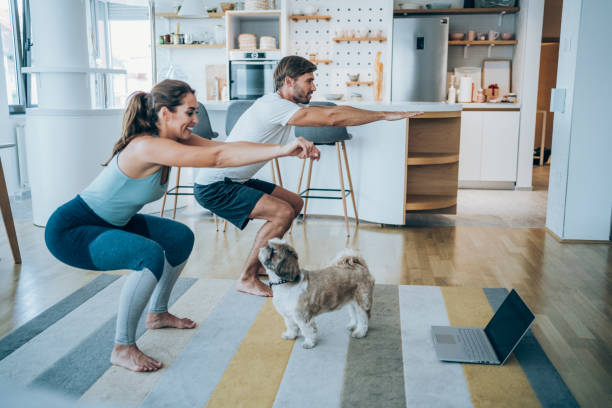
Starting a fitness journey can feel overwhelming—especially when you think you need a gym membership, expensive equipment, or hours of free time. But the truth is, you can build strength, improve your health, and boost your energy right from your home—with simple, effective workouts designed for beginners.
Whether you’re trying to lose weight, build muscle, increase flexibility, or just feel better in your body, home workouts are one of the easiest and most accessible ways to get started.
This guide will walk you through practical, beginner-friendly workouts you can do at home, even if you have zero experience. No complicated routines. No fancy equipment. Just results-driven strategies that actually work.
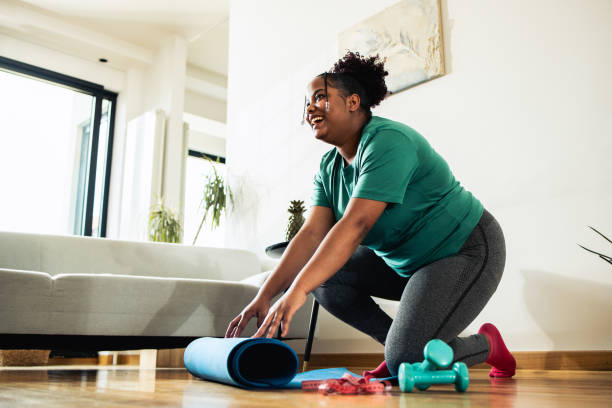
Why Home Workouts Are Perfect for Beginners
Before jumping into exercises, it’s important to understand why home workouts are so effective—especially when you’re just starting.
Benefits of Home Workouts
- Convenience: No travel time or gym schedules
- Cost-effective: No membership fees
- Privacy: Exercise without feeling self-conscious
- Flexibility: Work out anytime
Real-Life Insight
Many beginners stick longer to home workouts because they remove common barriers like time, cost, and intimidation. Consistency matters more than intensity when starting out.
What You Need Before You Start
You don’t need much—but a few basics can help:
- Comfortable workout clothes
- A water bottle
- A mat (optional but helpful)
- A small space to move
That’s it.
Understanding the Basics of a Good Workout
Every effective workout includes three key parts:
1. Warm-Up
Prepares your body and reduces injury risk.
2. Main Workout
Focuses on strength, cardio, or flexibility.
3. Cool Down
Helps your body recover and prevents soreness.
Best Beginner-Friendly Exercises You Can Do at Home
These exercises require little to no equipment and target your whole body.
1. Bodyweight Squats
How to Do It
- Stand with feet shoulder-width apart
- Lower your body as if sitting on a chair
- Keep your back straight
- Return to standing
Benefits
- Strengthens legs and glutes
- Improves balance
2. Push-Ups (Modified or Standard)
Beginner Option
Start with knee push-ups if standard ones feel too hard.
Benefits
- Builds upper body strength
- Engages core muscles
3. Plank
How to Do It
- Hold your body in a straight line
- Keep your core tight
Benefits
- Strengthens core
- Improves posture
4. Jumping Jacks
Why It’s Great
- Simple cardio exercise
- Increases heart rate quickly
5. Lunges
How to Do It
- Step forward with one leg
- Lower your body
- Push back up
Benefits
- Builds leg strength
- Improves coordination
6. Glute Bridges
Benefits
- Strengthens lower body
- Supports lower back health
Beginner Workout Plan (No Equipment)
Here’s a simple weekly plan you can follow:
| Day | Workout Focus | Duration |
|---|---|---|
| Monday | Full Body | 20 mins |
| Tuesday | Light Cardio | 15–20 mins |
| Wednesday | Rest or Stretch | — |
| Thursday | Full Body | 20 mins |
| Friday | Core + Cardio | 20 mins |
| Saturday | Light Activity | 15 mins |
| Sunday | Rest | — |
Sample 20-Minute Full Body Workout
| Exercise | Reps | Sets |
|---|---|---|
| Squats | 10–15 | 2–3 |
| Push-ups | 5–10 | 2–3 |
| Plank | 20–30 sec | 2–3 |
| Lunges | 10 each leg | 2–3 |
| Jumping Jacks | 15–20 | 2–3 |
Take short breaks between sets.
How to Stay Consistent (The Real Secret)
Starting is easy—staying consistent is the challenge.
Practical Strategies
- Start small: Even 10 minutes counts
- Schedule workouts: Treat them like appointments
- Track progress: Helps you stay motivated
- Celebrate small wins: Progress builds confidence
Real-Life Example
A beginner who committed to just 15 minutes daily saw noticeable improvements in strength and energy within 3 weeks.
Common Beginner Mistakes to Avoid
1. Doing Too Much Too Soon
Leads to burnout or injury.
2. Skipping Warm-Ups
Increases injury risk.
3. Comparing Yourself to Others
Focus on your own progress.
4. Inconsistent Routine
Consistency matters more than intensity.
How to Progress as a Beginner
Once exercises feel easier, you can:
- Increase repetitions
- Add more sets
- Reduce rest time
- Try advanced variations
Progression keeps your body challenged.
Nutrition Tips to Support Your Workouts
Exercise alone isn’t enough—you also need proper nutrition.
Key Tips
- Eat balanced meals
- Stay hydrated
- Include protein for muscle repair
- Avoid skipping meals
How Long Before You See Results?
- 1 week: Increased energy
- 2–3 weeks: Improved strength
- 4–6 weeks: Visible changes
Consistency is the key factor.
Expert Insight: Focus on Habits, Not Perfection
Many beginners quit because they aim for perfection.
But the truth is:
- You don’t need perfect workouts
- You don’t need long sessions
- You just need consistency
Small daily actions create big long-term results.
Frequently Asked Questions
1. Can I really get fit at home without equipment?
Yes. Bodyweight exercises are highly effective for building strength and fitness.
2. How often should beginners work out?
Start with 3–4 days per week and increase gradually.
3. What is the best time to work out?
Any time that fits your schedule and allows consistency.
4. How do I stay motivated?
Set realistic goals, track progress, and keep routines simple.
5. Should I work out every day?
No. Rest days are important for recovery.
6. What if I feel sore?
Mild soreness is normal. Rest or do light stretching.
7. How long should each workout be?
15–30 minutes is enough for beginners.
Summary
Starting your fitness journey doesn’t have to be complicated or expensive. With simple home workouts, you can build strength, improve your health, and feel more confident—all from the comfort of your home.
The key is not doing everything at once, but doing something consistently.
Start with:
- Short workouts
- Basic exercises
- A realistic schedule
Then grow from there.
Your fitness journey begins with one step—and that step can happen right in your living room.