
Creating a healthy eating plan often feels confusing. There’s an overwhelming amount of advice online—some say cut carbs, others say avoid fats, and many promote strict meal plans that are hard to sustain.
But here’s the truth: you don’t need a dietician to build a personalized eating plan that works for your body and lifestyle.
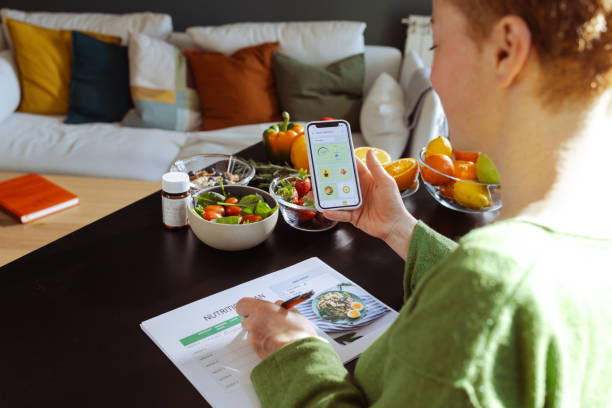
What you do need is a clear understanding of your goals, your body’s needs, and a flexible system you can actually stick to long-term.
In this guide, you’ll learn how to design a practical, sustainable eating plan tailored specifically to you—without complicated rules, expensive consultations, or unrealistic restrictions.
Why Personalized Eating Matters
No two bodies are exactly the same. Your metabolism, activity level, health goals, and even your daily schedule all influence what and how you should eat.
Benefits of a Personalized Eating Plan
- Better energy levels
- Improved digestion
- Sustainable weight management
- Reduced cravings
- Long-term consistency
Key Insight
Generic diets fail because they don’t consider your lifestyle. A personalized plan works because it adapts to you, not the other way around.
Step 1: Define Your Clear Health Goals
Before choosing foods or planning meals, you need to understand your objective.
Common Goals
- Weight loss
- Muscle gain
- Improved energy
- Better digestion
- General health maintenance
Practical Tip
Be specific. Instead of saying:
- “I want to eat healthier”
Say:
- “I want to lose 5kg in 2 months”
- “I want steady energy throughout the day”
Clarity helps you make better food choices.
Step 2: Understand Your Daily Calorie Needs
Your body requires a certain number of calories to function daily.
Factors That Affect Your Needs
- Age
- Gender
- Weight
- Activity level
Simple Estimation Method
| Activity Level | Description | Calorie Needs |
|---|---|---|
| Sedentary | Little or no exercise | Lower range |
| Moderately active | Light exercise 3–5 days/week | متوسط |
| Very active | Intense activity | Higher range |
(You don’t need exact numbers—just a general idea.)
Expert Insight
Instead of obsessing over calories, focus on portion control and food quality.
Step 3: Balance Your Macronutrients
Your body needs three main nutrients:
| Macronutrient | Function | Food Sources |
|---|---|---|
| Protein | Builds and repairs tissues | Eggs, fish, beans |
| Carbohydrates | Provides energy | Rice, oats, fruits |
| Fats | Supports hormones | Nuts, oils, avocado |
Ideal Approach
Aim for balanced meals rather than extreme restrictions.
Example Plate Method
- ½ vegetables
- ¼ protein
- ¼ carbohydrates
This simple method works for most people.
Step 4: Identify Your Food Preferences and Lifestyle
A plan only works if you enjoy it.
Ask Yourself
- What foods do I like?
- What foods can I afford?
- How much time do I have to cook?
Real-Life Example
Someone who works long hours may rely on:
- Simple meals
- Batch cooking
- Quick recipes
While a student may prefer:
- Affordable, easy-to-make foods
Your plan should fit your real life, not an ideal one.
Step 5: Create a Simple Weekly Meal Structure
You don’t need a rigid plan—just a flexible structure.
Sample Weekly Structure
| Meal | Example Options |
|---|---|
| Breakfast | Oats, eggs, smoothie |
| Lunch | Rice + protein + vegetables |
| Dinner | Light meal (soup, salad, protein) |
| Snacks | Fruits, nuts, yogurt |
Pro Tip
Repeat meals if necessary. Simplicity improves consistency.
Step 6: Plan Your Portions (Without Overthinking)
Portion control is one of the easiest ways to manage your eating.
Easy Portion Guide
| Food Type | Portion Guide |
|---|---|
| Protein | Palm-sized |
| Carbs | Fist-sized |
| Fats | Thumb-sized |
| Vegetables | Half your plate |
This removes the need for calorie counting.
Step 7: Build Habits Instead of Following Strict Rules
Strict diets often fail because they’re hard to maintain.
Better Approach
Focus on habits like:
- Eating at regular times
- Drinking enough water
- Including vegetables in meals
Expert Insight
Consistency beats perfection. Small habits lead to long-term success.
Step 8: Stay Hydrated
Water plays a crucial role in:
- Digestion
- Energy levels
- Appetite control
Simple Rule
Drink water throughout the day, especially:
- After waking
- Before meals
Step 9: Monitor Your Progress and Adjust
Your eating plan should evolve with you.
What to Track
- Energy levels
- Hunger patterns
- Weight (if relevant)
- How your clothes fit
Adjustment Strategy
If something isn’t working:
- Change portion sizes
- Adjust meal timing
- Swap certain foods
Step 10: Allow Flexibility (Avoid All-or-Nothing Thinking)
One of the biggest mistakes people make is trying to be perfect.
Reality Check
You will:
- Eat out sometimes
- Have cravings
- Miss a meal
And that’s okay.
Sustainable Approach
Follow the 80/20 rule:
- 80% healthy meals
- 20% flexibility
Common Mistakes to Avoid
1. Copying Someone Else’s Diet
What works for others may not work for you.
2. Skipping Meals
Can lead to overeating later.
3. Over-restricting Foods
Creates cravings and binge cycles.
4. Ignoring Hunger Signals
Your body gives important feedback—listen to it.
Sample Personalized Eating Plan
| Time | Meal | Example |
|---|---|---|
| Morning | Breakfast | Oats + banana + peanut butter |
| Midday | Lunch | Rice + chicken + vegetables |
| Afternoon | Snack | Fruit + nuts |
| Evening | Dinner | Light protein + vegetables |
Real-Life Case Study
A young professional struggled with energy crashes and irregular eating.
What Changed:
- Started eating balanced meals
- Reduced sugary snacks
- Maintained consistent meal times
Results (after 3 weeks):
- More stable energy
- Reduced cravings
- Better focus
This shows that simple adjustments can produce powerful results.
Expert Insight: Your Plan Should Fit Your Life, Not the Internet
The most effective eating plan is not the strictest—it’s the one you can maintain.
Instead of chasing trends:
- Focus on consistency
- Prioritize balance
- Keep it simple
Frequently Asked Questions
1. Can I really create a good eating plan without a dietician?
Yes. With basic knowledge and consistency, you can build an effective plan.
2. Do I need to count calories?
Not necessarily. Portion control and food quality are often enough.
3. How do I deal with cravings?
Include balanced meals and allow occasional treats.
4. What if I don’t have time to cook?
Choose simple meals and consider batch cooking.
5. Can I still eat my favorite foods?
Yes. Balance is more important than restriction.
6. How long before I see results?
You may notice changes in energy within a week and physical changes within a few weeks.
7. What’s the most important factor?
Consistency. Small daily habits matter more than perfection.
Summary
Creating a personalized eating plan without a dietician is not only possible—it’s often more effective because it’s tailored to your real life.
Start simple:
- Understand your goals
- Eat balanced meals
- Control portions
- Stay consistent
Then adjust as you go.
Remember, the best eating plan is not the most complicated one—it’s the one you can follow every day without stress.
Your health is built through daily choices. And with the right approach, those choices can become simple, natural, and sustainable.