
Kidney disease can develop quietly. In its early stages, a person may feel completely normal while kidney function gradually declines. This is one reason chronic kidney disease can go unnoticed until it becomes more serious.
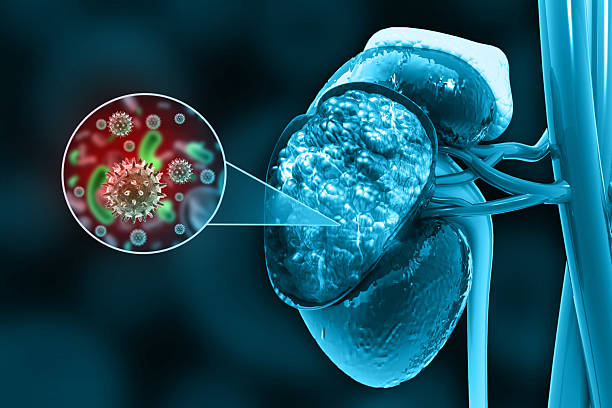
Chronic kidney disease happens when the kidneys are damaged for more than a few months. The kidneys clean the blood by removing waste and extra fluid, which leaves the body as urine. They help control blood pressure and balance salt and minerals. The kidneys also help the body make red blood cells and keep bones strong.

For Nigerians living with conditions such as high blood pressure, diabetes, recurrent kidney problems, or a family history of kidney disease, understanding the early signs of kidney disease can encourage timely medical testing and treatment.
It is important to remember that many symptoms associated with kidney disease can also be caused by other health conditions. Symptoms alone cannot confirm kidney disease. Blood and urine tests are usually needed to assess how well the kidneys are functioning.
This guide explains the warning signs worth paying attention to, who may be at higher risk, when to seek medical care, and practical steps Nigerians can take to protect kidney health.
What Is Kidney Disease?
The kidneys are two organs that perform several essential functions in the body. They help:
- Filter waste products from the blood
- Remove excess fluid
- Help regulate certain minerals and electrolytes
- Support blood pressure regulation
- Contribute to red blood cell production
- Help maintain healthy bone metabolism
Chronic kidney disease (CKD) occurs when the kidneys are damaged or their function remains reduced over time.
Kidney disease can develop gradually. Some people have no obvious symptoms in the earlier stages, which is why routine screening can be particularly important for people with known risk factors.
Why Early Detection of Kidney Disease Matters
Early detection may allow healthcare professionals to identify the cause of kidney damage, manage contributing conditions, and take steps aimed at slowing further loss of kidney function.
Waiting until severe symptoms develop can be risky because significant kidney damage may already have occurred.
In practical terms, early assessment may involve:
- Checking blood pressure
- A urine test to look for protein or blood
- Blood tests that assess kidney function
- Reviewing medications and supplements
- Investigating possible underlying conditions
A simple medical evaluation can therefore be more useful than trying to diagnose kidney disease based only on symptoms found online.
10 Early Signs of Kidney Disease You Should Not Ignore
1. Changes in Urination
One possible early warning sign is a noticeable change in your usual urination pattern.
This may include:
- Urinating more frequently than usual
- Needing to urinate more often at night
- Producing unusually small amounts of urine
- Noticeable changes in the appearance of urine
These changes do not automatically mean kidney disease. Urinary tract infections, diabetes, prostate conditions, pregnancy, dehydration, and other health problems can also affect urination.
However, persistent or unexplained changes deserve medical attention.
2. Foamy or Persistently Bubbly Urine
Urine that repeatedly appears unusually foamy may sometimes be associated with protein in the urine.
Healthy kidneys normally prevent large amounts of protein from passing into urine. When the kidney’s filtering system is damaged, protein may leak through.
One episode of bubbles is not enough to diagnose a problem. Factors such as the force of urination or cleaning products in the toilet can also create bubbles.
The key concern is a persistent change, especially when it occurs alongside swelling or other symptoms.
A urine test can help determine whether protein is present.
3. Swelling of the Feet, Ankles, Hands, or Face
The kidneys play an important role in managing fluid balance.
When the body retains excess fluid, swelling may develop in areas such as:
- The ankles
- Feet
- Hands
- Legs
- Around the eyes
Swelling can also result from heart, liver, vein, hormonal, or medication-related problems. It should therefore not be assumed to be caused by kidney disease.
Persistent or worsening swelling should be assessed by a healthcare professional.
4. Persistent Tiredness or Reduced Energy
Persistent fatigue can have many causes, including:
- Poor sleep
- Stress
- Anemia
- Infections
- Nutritional problems
- Thyroid conditions
- Chronic diseases
Kidney disease may also contribute to fatigue, particularly as kidney function becomes more significantly affected.
If tiredness continues despite adequate rest or is accompanied by other concerning symptoms, it is worth discussing with a healthcare professional.
5. Blood in the Urine
Urine that appears pink, red, or brown may indicate blood.
Possible causes include:
- Urinary tract infections
- Kidney stones
- Kidney inflammation
- Injury
- Certain medications
- Other urinary tract conditions
Visible blood in urine should not be ignored. Even when it disappears, medical evaluation may still be necessary.
6. High Blood Pressure That Is Difficult to Control
High blood pressure and kidney disease have a close relationship.
Long-term high blood pressure can damage blood vessels in the kidneys. At the same time, kidney disease can contribute to difficulties with blood pressure control.
Someone whose blood pressure remains high despite treatment should discuss this with their doctor.
Regular blood pressure monitoring is particularly important for people with known kidney disease risk factors.
7. Persistent Puffiness Around the Eyes
Repeated puffiness around the eyes, particularly when it is persistent or occurs with swelling elsewhere in the body, may warrant evaluation.
Kidney problems are one possible explanation, but allergies, lack of sleep, infections, and other conditions can also cause facial puffiness.
The important point is not to self-diagnose. Persistent symptoms should be checked.
8. Loss of Appetite or Ongoing Nausea
As kidney function becomes significantly impaired, waste products and metabolic changes can affect appetite and cause nausea.
However, nausea and appetite loss are extremely common symptoms with many possible causes, including gastrointestinal infections, medication effects, pregnancy, and digestive conditions.
Persistent symptoms should be medically assessed rather than treated solely with home remedies.
9. Difficulty Concentrating
Some people with significant chronic illness report difficulty concentrating or feeling mentally less sharp.
Kidney dysfunction, anemia, sleep problems, medication effects, and other conditions may contribute.
If concentration problems occur alongside persistent fatigue, swelling, or urinary changes, a medical assessment may be appropriate.
10. Muscle Cramps or Unusual Weakness
The kidneys help maintain the body’s balance of fluids and certain minerals.
When kidney function is impaired, electrolyte disturbances can sometimes contribute to muscle cramps or weakness.
However, cramps are also common with dehydration, physical exertion, medication use, and nutritional issues.
Frequent or unexplained cramps should be considered in the context of other symptoms and medical history.
Early Signs of Kidney Disease vs Other Common Conditions
Many kidney disease symptoms are not specific. The following table shows why testing matters.
| Symptom | Kidney Disease Is One Possible Cause | Other Possible Causes |
|---|---|---|
| Frequent urination | Changes in kidney function | Diabetes, urinary infection, pregnancy |
| Foamy urine | Protein in urine | Forceful urination, toilet cleaning products |
| Swollen feet | Fluid retention | Heart, liver, vein, or medication problems |
| Fatigue | Anemia or reduced kidney function | Poor sleep, infection, anemia, thyroid conditions |
| Blood in urine | Kidney or urinary tract problems | Infection, stones, injury, other urinary conditions |
| Nausea | Advanced metabolic changes | Stomach illness, medication effects, pregnancy |
| Muscle cramps | Fluid or electrolyte imbalance | Dehydration, exercise, medication, nutritional issues |
This is why online symptom lists should be used as a prompt to seek appropriate medical advice—not as a substitute for diagnosis.
Who Is at Higher Risk of Kidney Disease in Nigeria?
Some people may benefit from regular kidney health screening because they have conditions associated with a higher risk of kidney damage.
Important risk factors can include:
High Blood Pressure
Long-standing uncontrolled hypertension can damage the kidneys over time.
Regular blood pressure checks and appropriate treatment are important.
Diabetes
High blood sugar can damage the kidneys gradually.
People living with diabetes should follow their healthcare provider’s recommendations regarding kidney monitoring.
Family History of Kidney Disease
A family history does not guarantee that someone will develop kidney disease, but it may increase the importance of discussing screening with a healthcare professional.
Previous Kidney Problems
People with a history of kidney injury, kidney inflammation, or certain urinary conditions may need ongoing follow-up depending on the cause.
Certain Medications and Substances
Some medicines can affect kidney function, particularly when used incorrectly, at excessive doses, or without appropriate medical supervision.
This is one reason it is important to tell your doctor or pharmacist about:
- Prescription medicines
- Over-the-counter medicines
- Herbal preparations
- Supplements
- Traditional remedies
Do not stop prescribed medication without speaking with a qualified healthcare professional.
Common Kidney Health Risk Factors and Practical Actions
| Risk Factor | Why It Matters | Practical Step |
|---|---|---|
| High blood pressure | Can damage kidney blood vessels | Monitor and manage blood pressure with medical guidance |
| Diabetes | High blood sugar can damage kidney filters | Follow recommended diabetes monitoring and treatment |
| Family history | May increase personal risk | Discuss screening with a healthcare professional |
| Previous kidney injury | Can increase future vulnerability | Attend recommended follow-up appointments |
| Smoking | Can contribute to cardiovascular and vascular damage | Seek professional support for quitting |
| Unsupervised medication use | Some medicines may harm kidneys | Use medicines as directed and discuss concerns with a professional |
| Herbal or unregulated products | Safety and ingredients may be uncertain | Inform your healthcare provider about everything you use |
How Is Kidney Disease Diagnosed?
Symptoms alone cannot confirm chronic kidney disease.
Healthcare professionals commonly use a combination of tests.
Blood Tests
A blood test can be used to assess kidney function. One commonly used measurement helps estimate how effectively the kidneys are filtering blood.
Your healthcare professional can explain what your individual results mean.
Urine Tests
Urine tests may check for:
- Protein
- Albumin
- Blood
- Signs of infection
The presence of albumin or protein may provide important information about kidney health.
Blood Pressure Measurement
Because high blood pressure and kidney disease can influence each other, blood pressure assessment is an important part of kidney health evaluation.
Imaging or Additional Tests
Depending on the situation, a doctor may recommend further tests to investigate the kidneys or urinary tract.
A Practical Example: Why Waiting Can Be a Problem
Consider a hypothetical situation involving a busy working adult who notices persistent ankle swelling and increasingly foamy urine.
Because the person feels generally well, they decide to wait.
Several months later, fatigue becomes more noticeable and blood pressure is found to be high during a routine check.
The important lesson is not that these symptoms automatically indicate kidney disease. Instead, it is that persistent symptoms are worth investigating early, particularly when more than one possible warning sign appears.
A simple consultation and appropriate blood and urine testing can provide more useful answers than waiting for symptoms to become severe.
When Should You See a Doctor?
Consider arranging a medical evaluation if you experience persistent or unexplained:
- Blood in your urine
- Significant swelling
- Repeatedly foamy urine
- Major changes in urination
- Difficult-to-control high blood pressure
- Ongoing fatigue with other concerning symptoms
Seek urgent medical care for severe or rapidly worsening symptoms, especially if you are unable to pass urine or are seriously unwell.
Practical Steps to Support Kidney Health
While not every case of kidney disease can be prevented, several practical habits can support overall kidney and cardiovascular health.
Monitor Blood Pressure
High blood pressure may not cause noticeable symptoms, so regular measurement is important.
If you have been prescribed treatment, take it as directed and attend follow-up appointments.
Manage Diabetes Carefully
For people living with diabetes, appropriate blood sugar management and regular medical monitoring can help reduce the risk of complications.
Be Careful With Medicines
Avoid taking more than the recommended dose of any medication.
Before combining medicines, supplements, or herbal products, discuss potential interactions and safety with a qualified healthcare professional.
Stay Adequately Hydrated
Fluid needs vary depending on age, climate, physical activity, pregnancy, heart conditions, and kidney function.
There is no universal amount of water that is right for everyone. People with certain kidney or heart conditions may receive specific fluid advice from their healthcare provider.
Attend Routine Health Checks
If you have diabetes, hypertension, a family history of kidney disease, or a previous kidney problem, ask a healthcare professional whether periodic kidney testing is appropriate for you.
An Important Point About “Kidney Cleanses”
Products marketed as kidney cleanses, detoxes, or guaranteed cures should be approached cautiously.
A product being described as “natural” does not automatically mean it is safe or appropriate for everyone.
Kidney disease can have different causes, and treatment depends on the underlying problem. Delaying proper medical evaluation in favour of an unproven remedy may allow a serious condition to progress.
If you use herbal or traditional products, tell your healthcare provider so they can consider potential interactions or safety concerns.
Frequently Asked Questions About Kidney Disease in Nigeria
1. What are the earliest signs of kidney disease?
Early kidney disease may cause no noticeable symptoms. When symptoms do occur, possible signs can include persistent changes in urination, unusually foamy urine, swelling, and ongoing fatigue. These symptoms are not specific to kidney disease, so testing is needed for diagnosis.
2. Can kidney disease occur without symptoms?
Yes. Kidney disease can develop without obvious symptoms, particularly in earlier stages. This is why people with conditions such as diabetes or high blood pressure may benefit from discussing regular kidney screening with a healthcare professional.
3. Can high blood pressure cause kidney disease?
Long-term uncontrolled high blood pressure can damage the kidneys. Kidney disease can also make blood pressure more difficult to control, creating a potentially harmful cycle.
4. What tests can check kidney function?
Doctors may use blood tests, urine tests, blood pressure measurements, and other investigations when necessary. The specific tests depend on the person’s symptoms and medical history.
5. Does foamy urine always mean kidney disease?
No. Foamy or bubbly urine can occur for several reasons. Persistent changes, especially alongside swelling or other symptoms, should be evaluated with an appropriate urine test.
6. Can drinking more water cure kidney disease?
No. Simply drinking large amounts of water does not cure kidney disease. Fluid requirements vary, and some people with kidney or heart conditions may need individualized guidance.
7. Who should consider kidney disease screening?
People with high blood pressure, diabetes, certain previous kidney problems, or a family history of kidney disease may benefit from discussing screening with a healthcare professional.
Summary
Kidney disease can be difficult to recognize because early stages may cause few or no obvious symptoms. Changes in urination, persistent foamy urine, swelling, unexplained fatigue, blood in urine, and difficult-to-control blood pressure are among the signs that may deserve medical attention.
However, these symptoms do not automatically mean someone has kidney disease. Many other conditions can cause similar changes.
The most important step is timely assessment. If you have persistent symptoms or known risk factors such as high blood pressure or diabetes, speak with a qualified healthcare professional about appropriate blood and urine tests.
Early detection provides an opportunity to identify possible kidney problems, manage underlying conditions, and make informed decisions about the next steps.