
In today’s digital world, screens are everywhere. From smartphones and laptops to televisions and tablets, most people spend hours each day looking at digital devices—often without realizing how much it’s affecting their body.
If you’ve ever struggled to fall asleep after scrolling through your phone, felt tired despite getting enough hours in bed, or noticed frequent headaches or eye strain, your screen habits might be playing a bigger role than you think.
Here’s the reality:
Excessive screen time doesn’t just affect your sleep—it impacts your overall health, energy, focus, and long-term well-being.
The good news? You don’t need to completely eliminate screens. You just need to understand how they affect your body and learn how to manage them effectively.
This in-depth guide will break down the science, the risks, and the practical strategies you can use to protect your sleep and health—without giving up your digital life.
Why Screen Time Is a Growing Health Concern
Digital devices have become essential for work, communication, and entertainment. But this constant exposure comes with hidden consequences.
The Modern Reality
- Increased screen use late at night
- Reduced physical activity
- Constant mental stimulation
Key Insight
It’s not just how much time you spend on screens—it’s when and how you use them that matters most.
How Screen Time Affects Your Sleep
Sleep is one of the most affected areas when it comes to screen exposure.
1. Blue Light Disrupts Your Body Clock
Screens emit blue light, which interferes with your natural sleep cycle.
What Happens:
- Blue light suppresses melatonin (the sleep hormone)
- Your brain thinks it’s still daytime
- Falling asleep becomes harder
Result:
- Delayed sleep
- Poor sleep quality
2. Mental Stimulation Keeps Your Brain Active
Scrolling, watching videos, or engaging with content keeps your brain alert.
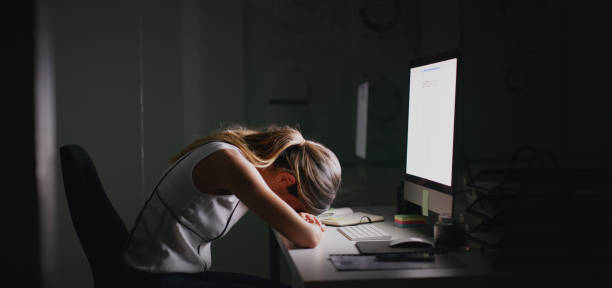
Effects:
- Increased alertness at night
- Difficulty relaxing
- Delayed sleep onset
3. Irregular Sleep Patterns
Late-night screen use often leads to inconsistent sleep schedules.
Common Patterns:
- Staying up late unintentionally
- Waking up tired
- Sleeping at irregular times
Summary Table: Screen Time vs Sleep Impact
| Screen Habit | Effect on Sleep |
|---|---|
| Late-night scrolling | Delayed sleep |
| Bright screens | Reduced melatonin |
| Engaging content | Increased alertness |
| Long screen exposure | Poor sleep quality |
How Screen Time Affects Your Overall Health
The impact of screens goes beyond sleep.
1. Eye Strain and Vision Problems
Extended screen use can strain your eyes.
Symptoms:
- Dry eyes
- Blurry vision
- Headaches
2. Reduced Physical Activity
More screen time often means less movement.
Consequences:
- Weight gain
- Reduced fitness
- Lower energy levels
3. Mental Health Effects
Constant digital exposure can affect your mental well-being.
Possible Effects:
- Increased stress
- Anxiety
- Reduced focus
4. Poor Posture and Body Pain
Using devices for long periods can affect posture.
Common Issues:
- Neck pain
- Back pain
- Shoulder tension
5. Hormonal Imbalance
Disrupted sleep affects hormone regulation.
Impact:
- Fatigue
- Mood swings
- Reduced productivity
The Hidden Cycle: Screen Time and Poor Sleep
Screen time and sleep issues often create a cycle:
- Use screens late at night
- Sleep quality decreases
- Feel tired during the day
- Use screens more due to low energy
Key Insight
Breaking this cycle is essential for improving your health.
How Much Screen Time Is Too Much?
There’s no one-size-fits-all number, but balance is key.
General Guidelines:
- Limit recreational screen time
- Avoid screens before bed
- Take regular breaks
Practical Strategies to Reduce Screen Impact
1. Set a Digital Curfew
Stop using screens at least 1 hour before bed.
Alternative Activities:
- Reading
- Stretching
- Journaling
2. Use Night Mode or Blue Light Filters
Most devices offer settings to reduce blue light.
Benefit:
- Less disruption to sleep hormones
3. Follow the 20-20-20 Rule
For eye health:
- Every 20 minutes
- Look at something 20 feet away
- For 20 seconds
4. Create a Screen-Free Bedroom
Your bedroom should be a place for rest.
Tips:
- Keep devices out of reach
- Avoid watching TV in bed
5. Schedule Screen Breaks
Avoid long, continuous usage.
Example:
- Work for 45 minutes
- Take a 5–10 minute break
6. Replace Screen Time with Movement
Instead of scrolling:
- Take a walk
- Stretch
- Do light exercise
7. Be Mindful of Content
Not all screen time is equal.
Avoid at Night:
- Stressful content
- Highly engaging media
Healthy vs Unhealthy Screen Habits
| Habit Type | Example | Impact |
|---|---|---|
| Healthy | Limited use, breaks | Balanced health |
| Unhealthy | Late-night scrolling | Poor sleep |
| Healthy | Screen-free bedtime | Better recovery |
| Unhealthy | Constant notifications | Mental fatigue |
Real-Life Example
A young professional struggled with poor sleep and fatigue.
What Changed:
- Stopped using phone before bed
- Used blue light filters
- Added evening relaxation routine
Results (after 2 weeks):
- Fell asleep faster
- Improved energy
- Better focus at work
Advanced Strategies for Better Balance
1. Track Your Screen Time
Awareness helps you make better decisions.
2. Use App Limits
Control usage automatically.
3. Create Tech-Free Zones
Designate areas without screens.
Long-Term Benefits of Reducing Screen Impact
- Improved sleep quality
- Better mental clarity
- Increased energy
- Stronger focus
Expert Insight: It’s About Control, Not Elimination
You don’t need to remove screens from your life.
Key Principle
Use technology intentionally—not automatically.
Frequently Asked Questions
1. Does screen time really affect sleep?
Yes, especially when used before bedtime.
2. Is blue light the main problem?
It’s a major factor, but mental stimulation also plays a role.
3. Can I use my phone at night at all?
It’s best to limit use and reduce brightness.
4. How long before bed should I stop using screens?
At least 30–60 minutes.
5. Are all screens equally harmful?
No, usage patterns matter more than the device itself.
6. Can reducing screen time improve health?
Yes, especially sleep, focus, and energy.
7. What’s the easiest change to start with?
Set a digital curfew.
Summary
Screen time is a powerful part of modern life—but it comes with hidden costs. When used excessively or at the wrong times, it can disrupt your sleep, reduce your energy, and impact your overall health.
The good news is that small changes can make a big difference.
By:
- Reducing nighttime screen use
- Taking regular breaks
- Creating better habits
You can protect your sleep and improve your well-being—without giving up the benefits of technology.
Remember, it’s not about avoiding screens—it’s about using them wisely.
Your sleep, your health, and your energy depend on it.